Vehicle breakdowns occur when least expected. Your engine may stall, tires may blow, or electrical systems may fail. When the unexpected happens, you need a dependable emergency towing service. This article explains how to handle a breakdown step by step, which credentials matter for towing operators, what U.S. laws govern the process, and how to choose a reliable tow provider. You will gain clarity on tow truck services, roadside rescue, heavy-duty recovery, and safe choices.
Understanding the Scope of Roadside and Towing Services
Breakdowns are not rare. According to industry data, around 65 to 70 million vehicle breakdowns occur annually in the U.S. The roadside assistance and towing sector plays a key role in removing disabled vehicles and protecting traffic flow. The Federal Highway Agency indicates towing and recovery operations must restore the roadway quickly after incidents. By knowing this scope, you appreciate why emergency towing services matter for safety and mobility.
Why Prompt Towing Matters for Safety and Traffic Flow
When a vehicle stalls on a busy roadway, the risks rise immediately. Other drivers may crash into the disabled car. The U.S. data show roadside assistance personnel face danger: over 127 towing-related responders were struck and killed between 2015 and 2021. Prompt, professional towing clears the hazard, reduces traffic bottlenecks, and protects the crew and motorist. Therefore, you want a company that responds quickly and acts safely.
What to Do Immediately After a Breakdown
When your vehicle becomes immobile, follow these clear steps. First, pull off the roadway as far as possible, preferably onto a shoulder or safe parking area. Then switch on hazard lights and set up warning devices like cones or triangles if available. Next, call for emergency towing or roadside assistance. Provide your location, vehicle type, and condition. While waiting, remain inside your locked vehicle if you are near traffic. Avoid standing beside the roadway. These steps help minimize risk until help arrives.
Key Credentials to Look for in a Towing Operator
Choosing the right towing service is critical. Look for these credentials:
- A valid business license and state-issued towing permit.
- Proof of insurance covering property damage and liability.
- Membership in a recognized towing and recovery association with training standards.
- Full disclosure of equipment type, pricing structure, and emergency response protocols.
Government documents highlight that towing and recovery companies often contract with law enforcement and fire-rescue agencies based on equipment capability and qualification.
How U.S. Regulations Govern Towing and Recovery Services
The U.S. Department of Transportation and the Federal Highway Administration set standards for safe towing and recovery. Under “Towing and Recovery Operations” guidelines your tow provider must bring the correct equipment and trained personnel. Additionally, towing companies operating large commercial vehicles must adhere to regulations under the Federal Motor Carrier Safety Administration (FMCSA), especially when they handle heavy-duty recovery. These rules protect you from unsafe or unqualified towing operators.
Estimating Costs and Understanding Pricing Models
Towing services vary in cost based on vehicle type, location, and type of recovery needed. While comprehensive U.S. data on average cost for private-vehicle towing are limited, the roadside assistance market study shows towing made up around 33.49% of the roadside assistance market share in 2023. Moreover, the industry revenue for motor vehicle towing was about $12.694 billion in 2022. When requesting service, ask for clear pricing: connection fee, mileage, special equipment, winching, or heavy-duty recovery should all be itemized. Transparent pricing protects you from surprise charges.
What Items or Conditions Require Special Handling
Not every breakdown is the same. Some require special equipment or expertise:
- A heavy truck or bus rollover needs specialized recovery gear.
- A vehicle stalled in water or off-road may require a winch and an off-road recovery team.
- Electric vehicles may require special handling or transport due to their battery systems.
- Hazmat cargo or damaged vehicles with debris can involve extra cost and compliance.
If your provider lacks proper equipment or experience, you risk further damage or higher costs.
When to Call Towing Versus When to Use Roadside Assistance
Roadside assistance covers minor issues like flat tires, dead batteries, or lockouts. Towing comes into play when the vehicle cannot move or be repaired on-site. Industry research shows that as vehicles age and complexity rises, the odds of needing a tow increase heavily. Recognizing when towing is required helps you choose the correct service and avoid inadequate solutions.
How to Choose the Right Emergency Towing Service
Follow this step-by-step checklist:
- Confirm the operator is available 24/7, with mobile dispatch and GPS tracking.
- Ask for credentials: license number, insurance, and affiliation with professional associations.
- Request an estimate before the truck arrives and get itemized pricing on connection, miles, winch, and storage.
- Verify equipment shown on site matches the job conditions (heavy truck, winch, flatbed).
- Ask about additional fees: after-hours, weekend, remote location, heavy-duty recovery.
- Check that the provider uses safe procedures: protects surrounding vehicles, warns traffic, and uses trained staff.
By using this checklist, you reduce the risk of predatory towing and poor service.
Understanding Your Rights and Avoiding Predatory Towing
Predatory towing can occur when operators exploit disabled motorists with inflated rates or unnecessary services. The U.S. governmental review on “Causes and Countermeasures of Predatory Towing” notes that rate variation between states and municipalities is large, and many counties have fewer than 12 crash/tow events a year per company. To protect yourself: verify the quote, demand the vehicle release receipt, review posted rates in your municipality, and keep a record of service details. If you suspect you were overcharged, you may file a complaint with your state consumer protection or transportation authority.

What Happens After the Tow: Vehicle Storage, Repair & Release
Once your vehicle is towed, the next step is storage and repair. Make sure the towing provider provides a secure storage facility, a receipt showing towing date, location, and incurred fees. Ask for a repair shop referral or the option to be taken to your preferred garage. Inspect the vehicle for damage before you proceed. If you notice new damage, document it with photos and inform the tow provider and insurer immediately. A trustworthy towing service ensures the chain of custody and protects your interests.
Long-Term Benefits of Using Professional Towing Services
Using a qualified tow provider gives you more than immediate relief. You gain:
- Faster roadside clearance to reduce secondary accidents.
- Protection of your vehicle and cargo during removal.
- Avoidance of legal issues and unlicensed operator risks.
- Clear documentation for insurance or warranty claims.
The Bureau of Transportation Statistics highlights that efficient incident clearance improves motorway safety and travel reliability. Professional towing is about more than getting your car to a shop; it’s about smart, safe response when breakdown strikes.
Secure Reliable Emergency Towing
Vehicle breakdowns bring stress, interruption, and potential risk. Choosing the right emergency towing service means you regain mobility, stay safe, and avoid hidden costs. Prioritize credentialed providers, clear pricing, proper equipment, and full compliance with federal and state rules. If you face a breakdown, call a reliable emergency towing operator right away.
Secure Reliable Emergency Towing
Request a trusted tow provider that meets licensing and insurance standards. Ask for itemized pricing, verify equipment, and remain in your vehicle until help arrives. Your safety and peace of
How Towing Services Work and What You Should Know Before You Hire
When your vehicle suddenly breaks down, a towing service becomes your first call for help. These services do more than just pull your car to the nearest shop. They follow specific procedures, use certified equipment, and comply with federal and state regulations to ensure safety and reliability. Understanding how towing works helps you make smarter decisions before you hire a provider.
The Real Purpose of Towing Services
Towing companies provide vehicle recovery, roadside assistance, and transportation for cars that cannot move on their own. According to the Federal Motor Carrier Safety Administration (FMCSA), tow truck operators in the United States must follow specific commercial vehicle operation laws to ensure public safety.
Their role extends beyond emergencies. Tow services also help remove illegally parked vehicles, transport auctioned or repossessed cars, and relocate heavy-duty trucks. Each type of towing requires different training, licensing, and equipment.
Understanding How Towing Works Step by Step
Knowing how towing works gives you a clearer view of what happens after you call for help. Below is a breakdown of the typical process:
- Call and Assessment
The dispatcher collects details about your vehicle, location, and situation. This helps the operator choose the right type of tow truck. - Dispatching the Tow Truck
Based on the information, the closest qualified operator is assigned. Many companies now use GPS systems to track trucks in real time. - Vehicle Preparation and Hookup
The tow operator inspects your vehicle, checks the surroundings, and prepares it for towing. Safety chains, straps, and wheel lifts are secured before movement. - Transportation and Delivery
Once the vehicle is ready, the operator follows designated routes to the repair shop or storage facility. Federal and state transportation safety rules apply during this stage. - Billing and Documentation
A legitimate towing company provides an invoice that lists service charges transparently. You should always review the costs before signing.
Common Types of Tow Trucks and Their Uses
Not all towing trucks are the same. Each type is designed for specific situations. The most common include:
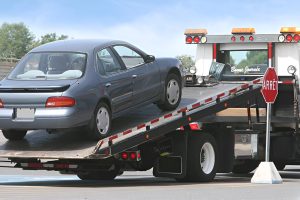
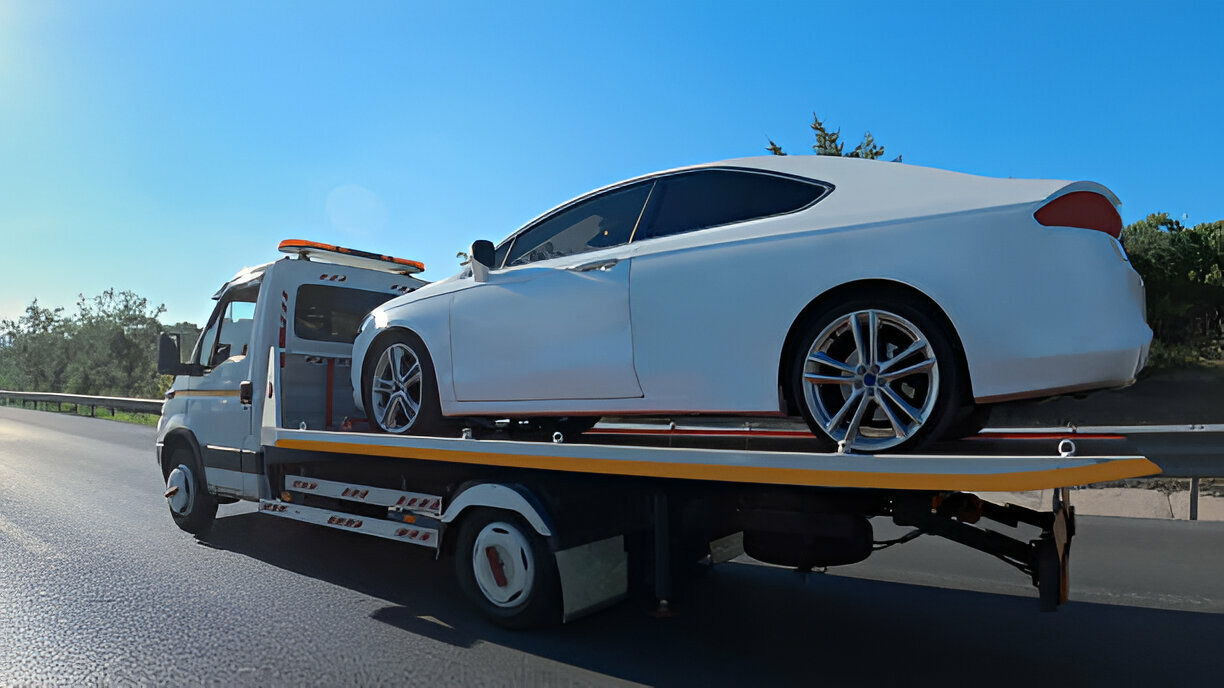
- Flatbed Tow Truck – The entire vehicle is loaded onto a platform, making it ideal for luxury cars or long-distance transport.
- Hook and Chain Tow Truck – Often used for wrecked or junk vehicles. This method is less common now due to potential vehicle damage.
- Wheel-Lift Tow Truck – Lifts the vehicle by the tires using a metal yoke. It’s faster for short distances.
- Integrated Tow Truck – Designed for heavy-duty use, often used for buses, trucks, or commercial vehicles.
Each operator must be trained according to the Occupational Safety and Health Administration (OSHA) towing and recovery standards.
Legal Rules and Licensing Requirements in the U.S.
Towing companies in the U.S. must comply with a range of regulations designed to protect consumers and ensure safe operations.
- Licensing and Insurance: Most states require tow operators to have a commercial driver’s license (CDL). Insurance coverage must meet or exceed minimum federal standards.
- Vehicle Safety Standards: The U.S. Department of Transportation (DOT) mandates that tow trucks meet inspection and safety standards.
- Rate Transparency: States often have consumer protection laws that prohibit towing companies from charging excessive or hidden fees.
- Permits and Equipment Checks: Operators are subject to regular inspections to ensure they use certified equipment.
Failing to meet these requirements can result in fines, suspension, or loss of license.
The Importance of Proper Certification and Training
Professional towing operators undergo rigorous training in safety protocols and vehicle handling. They must understand weight distribution, road safety, and emergency procedures. According to OSHA’s vehicle recovery safety guidelines, proper training reduces the risk of injury by over 30% among tow operators.
Certified professionals also follow the Towing and Recovery Association of America (TRAA) standards, ensuring consistency and reliability in the industry.
Cost Factors You Should Know Before Hiring
Towing costs can vary based on distance, vehicle type, and service complexity. The Consumer Financial Protection Bureau (CFPB) advises that drivers should always request an itemized quote before agreeing to service.
Typical pricing includes:
- Base fee for hookup and dispatch
- Mileage charge
- Additional services such as winching, storage, or after-hours towing
Avoid companies that refuse to provide clear estimates or paperwork.
Understanding the Difference Between Light, Medium, and Heavy-Duty Towing
Towing services are categorized based on vehicle weight and situation type.
- Light-Duty: Used for cars, small vans, or motorcycles.
- Medium-Duty: Suitable for delivery vans or small trucks.
- Heavy-Duty: Required for buses, trailers, and large commercial vehicles.
Each category requires specific tow truck types and safety protocols. This distinction ensures proper handling and prevents equipment failure.
Why Choosing a Licensed Towing Company Matters
Choosing a licensed towing provider protects your rights and your vehicle. Licensed operators must follow laws set by the Federal Trade Commission (FTC) for fair consumer practices.
A licensed company:
- Provides transparent pricing
- Maintains liability insurance
- Ensures safety through certified training
- Operates within legal guidelines
Unlicensed tow operators often skip safety checks and can leave you liable for damages.
What to Check Before Hiring a Towing Company
Before hiring, always perform a quick check on these factors:
- License and Insurance Verification
Confirm their registration through local or state databases. - Customer Reviews and Complaints
Check the Better Business Bureau (BBB) or FMCSA complaint registry for red flags. - Response Time and Availability
Reliable companies provide 24-hour emergency service and quick dispatch. - Transparent Billing
Ensure you get a written estimate or a contract outlining costs and services.
These checks protect you from scams and unprofessional practices.
Safety Practices Every Towing Service Must Follow
Safety is critical in towing operations. The National Highway Traffic Safety Administration (NHTSA) provides regulations and best practices for roadside assistance safety.
Key safety measures include:
- Using warning lights and reflective gear
- Securing the vehicle properly
- Maintaining proper distance during transport
- Conducting pre- and post-operation vehicle checks
Drivers should also stay inside their vehicle or away from traffic while waiting for help.
Common Towing Scams and How to Avoid Them
Towing scams are unfortunately common. Unscrupulous operators may overcharge or tow without consent. The Federal Motor Carrier Safety Administration (FMCSA) warns that unauthorized towing can violate consumer protection laws.
To avoid scams:
- Avoid signing blank invoices
- Verify the company name and license
- Take photos of your vehicle before towing
- Keep a copy of all receipts and communications
Being alert prevents unnecessary costs and stress.
The Role of Roadside Assistance in Modern Towing
Roadside assistance programs often partner with professional towing companies. These programs include services such as fuel delivery, tire change, jump starts, and lockout help. Many insurers offer roadside coverage, saving you money during emergencies.
Programs like AAA and insurance-based roadside services help ensure you always get licensed and verified professionals.
Environmental and Safety Standards in Towing
Modern towing companies also comply with environmental standards. They must properly dispose of hazardous fluids or materials and avoid road damage. The Environmental Protection Agency (EPA) outlines disposal and waste-handling rules for tow operators.
Eco-conscious towing services use low-emission vehicles and energy-efficient practices to reduce their carbon footprint.
What to Expect After Your Vehicle Is Towed
After the tow, you will receive a detailed receipt or claim form. If your vehicle was impounded, additional storage fees may apply. You have the legal right to retrieve personal items and review all documents before payment.
Always confirm that your vehicle arrived safely at the intended destination.
Why Experience and Professionalism Make the Difference
Experience is vital in the towing industry. Skilled operators handle every step with care, from vehicle inspection to safe transport. Their knowledge prevents further damage and ensures compliance with regulations.
Hiring professionals provides peace of mind that your vehicle is handled safely, quickly, and lawfully.
Hiring the Right Towing Service Saves Time and Stress
A towing emergency can happen anytime, but understanding how towing services work helps you make informed choices. A professional towing company operates under U.S. safety laws, maintains licensing, and values transparency.
Before hiring, take a few moments to check credentials, pricing, and reviews. This simple effort can protect your vehicle, your rights, and your wallet.
Frequently asked questions
1. What should I do first if my vehicle breaks down on the road?
Pull over safely, turn on your hazard lights, stay inside your locked car if near traffic, and call a licensed towing service for help.
2. How can I make sure a towing company is legitimate?
Ask for their license number, proof of insurance, and verify their credentials with your state transportation or consumer protection agency.
3. What’s the difference between roadside assistance and towing?
Roadside assistance handles minor issues like dead batteries or flat tires, while towing is needed when your vehicle cannot be safely driven.
4. How much does towing typically cost in the U.S.?
Towing costs vary by distance and vehicle type, but most standard tows range from $75 to $200. Always request a written, itemized estimate.
5. Are towing companies required to follow federal safety laws?
Yes. Tow operators must comply with U.S. Department of Transportation and FMCSA regulations to ensure safe, lawful, and professional service.