Skip to content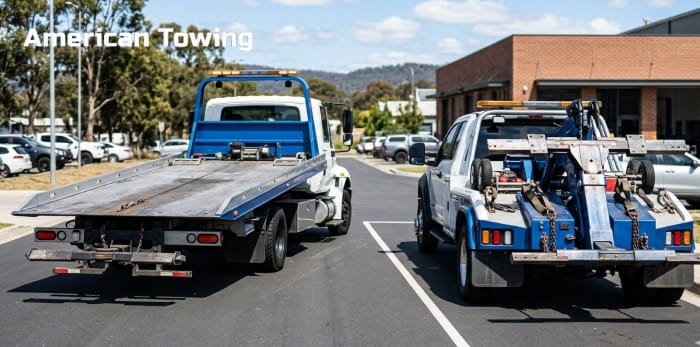
Standard towing services typically range from $75 to $125 for the base hook-up fee, with an additional charge of $2 to $7 per mile. Most people spend between $125 and $300 for a local tow under 15 miles. For longer distances, prices increase significantly because mileage becomes the primary driver of the final bill. Emergency services, holiday requests, and after-hours calls usually incur extra fees ranging from $50 to $150 on top of standard rates.
This article provides a comprehensive breakdown of towing expenses, equipment variations, and the specific factors that influence final invoices. American Towing provides this data based on years of experience managing vehicle recoveries and roadside assistance across various conditions. Understanding these price points helps vehicle owners make informed decisions during stressful roadside events.
Towing Service Cost Breakdown
Every towing invoice consists of several distinct parts that contribute to the total amount. The most common structure includes a base rate, a mileage fee, and potential labor or specialty charges.
Base Hook-Up Fee
The hook-up fee is the flat price charged to arrive at the scene and connect the vehicle to the truck. According to Progressive, this fee usually sits between $75 and $125. This covers the driver’s time, fuel for the tow truck to reach the location, and the physical labor required to secure the vehicle.
Tow Truck Cost Per Mile
Once the vehicle is secured, the mileage rate applies. Local towing often includes the first five to ten miles in the base fee, but many companies start the meter immediately. Rates vary by region and fuel prices. Rural areas might have higher per-mile costs because of the distance between service hubs and repair shops.
Labor and Specialized Equipment
If a vehicle is stuck in a ditch, flipped, or missing wheels, extra labor fees apply. These are often billed by the hour. Using specialized equipment, such as dollies for a vehicle with a locked transmission or a winch for off-road recovery, adds to the complexity and the final price.
Cost Differences Based on Tow Truck Type
The type of truck required for a job depends on the vehicle’s size, condition, and drivetrain. Different trucks carry different operating costs, which are then passed on to the customer.
Flatbed Tow Truck Cost
Flatbed trucks are generally more expensive than standard wheel-lift trucks. They provide a safer ride for all-wheel-drive vehicles and luxury cars because all four wheels remain off the ground. Expect to pay a premium of $25 to $50 over standard hook-up rates for a flatbed.
Heavy-Duty Tow Truck Cost
Towing a semi-truck, a bus, or a large RV requires massive equipment. The cost for a heavy-duty tow truck is much higher than a standard light-duty tow. Base fees for these vehicles often start at $200 or $300, and mileage rates can exceed $10 or $15 per mile due to the high fuel consumption and specialized training needed to operate these rigs.
Motorcycle Towing
Motorcycles require specific cradles or trailers to ensure they do not tip during transport. While the vehicle is smaller, the specialized nature of the tie-down process means the cost is often similar to towing a small sedan, typically ranging from $75 to $150 for local distances.
| Towing Service Category | Typical Base Hook-Up Fee | Average Cost Per Mile | Total Estimated Range |
|---|---|---|---|
| Standard Local Tow | $75 – $125 | $2 – $5 | $100 – $250 |
| Long Distance Tow | $100 – $150 | $3 – $7 | $500 – $2,500 |
| Heavy Duty (Semi/RV) | $200 – $500 | $5 – $15 | $400 – $1,500 |
| Flatbed Transport | $100 – $150 | $3 – $6 | $150 – $400 |
| Accident Recovery | $150 – $300 | $5 – $10 | $300 – $1,000 |
Variables That Increase Roadside Towing Charges
Several situational factors can cause a quote to change once the driver arrives on the scene. Transparency regarding these variables prevents surprises when the bill arrives.
Accident Towing Cost
Towing after a collision is more expensive than a simple mechanical breakdown tow. Accident scenes often require debris cleanup, winching, and coordination with law enforcement. Data from J.D. Power indicates that distance and vehicle condition at the scene are the primary cost drivers. If the vehicle is severely damaged and cannot roll, the driver must use extra equipment to load it safely.
Emergency Towing Cost Explained
Calling for a tow at 3:00 AM on a Sunday or during a major snowstorm will result in higher rates. Companies maintain staff during these hours at a higher cost. Emergency surcharges reflect the immediate availability and the risks associated with working in poor weather or low-visibility conditions.
Winch-Out Services
If a vehicle is off the pavement, in mud, or down an embankment, a winch-out is necessary. This service is billed separately from the tow. Rates for winching are usually calculated per cable or per hour, with many companies charging between $50 and $200 depending on the difficulty of the pull.
Bonus Tip: Before calling for a winch-out, check if there is a clear path for the tow truck. Clearing small obstacles or shoveling snow can reduce the time the driver spends on the job, which might lower the labor fee.
Things to Consider Before Making a Decision
Choosing a towing provider involves more than just finding the lowest price. Safety and vehicle integrity are also at stake.
- Vehicle Drivetrain: All-wheel-drive and four-wheel-drive vehicles must usually be towed on a flatbed to avoid damaging the transmission.
- Insurance Coverage: Many insurance policies include roadside assistance. Confirming coverage before calling a private company can save the entire cost of the tow.
- Destination Distance: Calculate the distance to the repair shop. If the shop is far away, the per-mile fee will likely be the largest part of the bill.
- Drop-Off Location Access: If the tow truck cannot easily drop the vehicle at the destination, such as in a tight parking garage, extra fees for “difficult access” may apply.
Common Questions About Towing Fees
Many drivers have questions about how and when they are billed for services. Knowing the standards helps in evaluating a local towing cost estimate.
Do I pay for the truck to drive to me?
Most companies do not charge for the “deadhead” miles or the distance the truck travels to reach the vehicle. The mileage fee usually starts from the point where the vehicle is hooked up and ends at the drop-off location.
Are there hidden storage fees?
If a vehicle is towed to a storage yard instead of a repair shop or a home, storage fees apply. These are daily rates that start the moment the vehicle enters the lot. Statistics from Angi suggest that storage fees can range from $30 to $100 per day depending on the location and the size of the vehicle.
Can I get a flat rate for long distances?
For hauls exceeding 50 or 100 miles, some companies offer a flat rate rather than a hook-up plus mileage model. This provides price certainty for the customer and allows the company to schedule the trip more efficiently.
Bonus Tip: Always ask for an itemized quote before the vehicle is hooked up. This ensures that the hook-up, mileage, and any potential labor fees are clear from the start.
Frequently Asked Questions
What is the average tow truck cost for a 5-mile tow?
A 5-mile tow usually costs between $90 and $150. This includes a standard hook-up fee of approximately $75 to $100 and a mileage charge of $3 to $5 per mile.
Does the weight of the car affect the price?
Yes, weight is a major factor. Heavier vehicles require larger trucks with higher operating costs. A heavy SUV will cost more to tow than a compact sedan, and a commercial truck will cost significantly more.
Is a flatbed tow truck cost higher than a regular one?
Generally, flatbed services cost $25 to $50 more than wheel-lift services. The equipment is more expensive to purchase and maintain, and the loading process takes slightly longer.
Why is accident towing more expensive?
Accidents involve additional labor and liability. Drivers must often clear glass and car parts from the road. If the police are on the scene, the driver must work quickly to clear traffic, which adds to the intensity and risk of the job.
Can I pay with a credit card for towing services?
Most modern towing companies accept major credit cards and digital payments. It is best to confirm payment methods over the phone when requesting the service to ensure no delays at the drop-off point.
Final Summary of Towing Costs
Estimating the cost of a tow involves looking at the base hook-up fee, the distance of the trip, and the specific needs of the vehicle. Standard local tows remain affordable for most drivers, while specialized recoveries and long-distance hauls require a larger budget. Always verify insurance benefits and ask for a clear price breakdown before the service begins. Comparing rates and understanding the equipment requirements ensures a fair price for professional service. By evaluating the vehicle condition and the destination distance, owners can better predict their final expenses.
Contact American Towing for Reliable Service
For those requiring assistance, American Towing offers professional vehicle transport and recovery. Detailed pricing and service information are available by contacting the office directly. To speak with a representative about specific needs or to request a service estimate, call 435-231-1116. Inquiries can also be sent via email to alansudweekstrucking@gmail.com for non-emergency scheduling. American Towing prioritizes clear communication and efficient vehicle handling for every customer.
Sources
- Progressive – An educational guide from a major insurer detailing average hook-up and mileage rates for standard vehicles.
- J.D. Power – A car industry authority explaining the variables that influence towing costs and when flatbeds are required.
- Angi – A consumer service platform providing data on labor costs, storage fees, and specialized towing price ranges.