Skip to content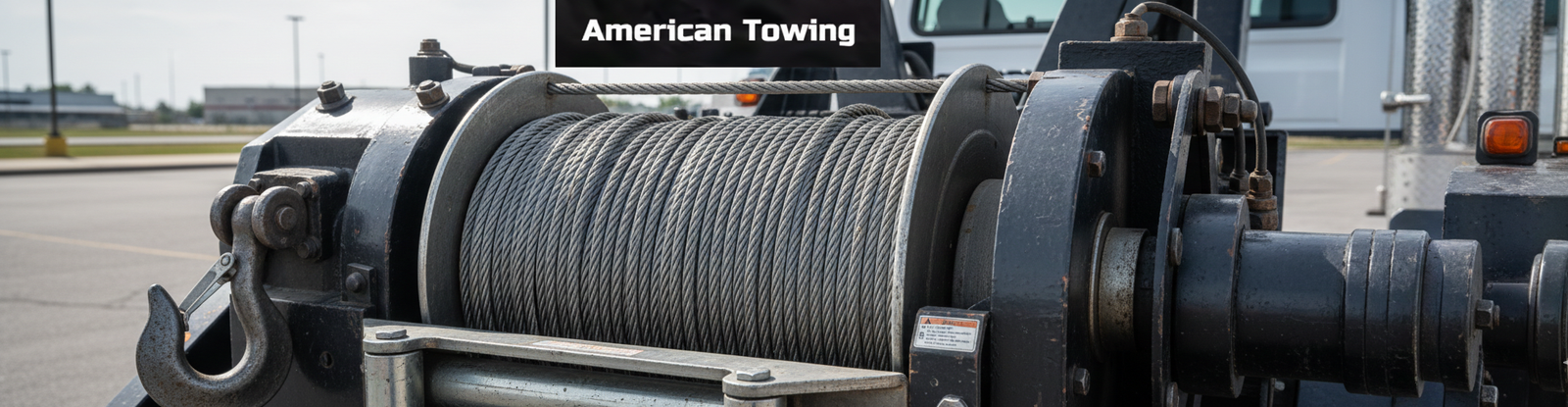
Towing a car typically costs between $75 and $125 for local transport, covering a distance of five to ten miles. Most companies implement a base hook-up fee ranging from $50 to $100, followed by a mileage rate between $2 and $7 per mile. Long-distance tows exceeding 100 miles often result in total bills between $500 and $1,500 depending on the vehicle weight and specific equipment required.
This guide details the variables that determine the final invoice and provides data to help drivers prepare for these expenses. This information comes from years of field experience managing fleet operations and responding to roadside emergencies at American Towing. Understanding these price structures ensures that vehicle owners can make informed choices during stressful roadside situations.
Primary Factors Affecting Towing Prices
The total amount on a towing bill is rarely a single flat rate. Instead, it represents a combination of several variables that change based on the specific needs of the vehicle and the environment.
Total Distance Traveled
Distance remains the most influential factor in determining the final price. Most service providers include a small number of miles in the initial hook-up fee, often between three and five miles. Once the truck exceeds that limit, the per-mile charge starts to accumulate. Data shared by J.D. Power indicates that per-mile rates vary by region, with urban areas often seeing higher rates due to traffic congestion and fuel costs.
Bonus Tip: Always confirm if the mileage charge starts from the moment the tow truck leaves the shop or from the moment your vehicle is hooked up. Some companies charge for “deadhead” miles, which is the distance the truck travels to reach the stranded car.
Vehicle Size and Weight
Moving a compact sedan requires less equipment and fuel than moving a full-size pickup truck or a commercial van. Heavier vehicles require larger tow trucks with higher weight capacities. If a vehicle weighs more than 10,000 pounds, it usually falls into a medium-duty or heavy-duty category. These categories have significantly higher base fees because the equipment used to move them is more expensive to operate and maintain.
Time of Day and External Conditions
Service calls placed during standard business hours usually cost less than those made at midnight or on major holidays. Many providers add an after-hours surcharge to cover the costs of staffing drivers during off-peak times. Weather also impacts the price. If a driver has to work in heavy snow, flooding, or through mud, the labor-intensive nature of the job may trigger extra fees.
Standard Fee Structures for Vehicle Transport
Most companies use a transparent pricing model to ensure customers understand where their money goes. These fees cover the insurance, equipment maintenance, and specialized labor involved in the process.
The Hook-up or Base Fee
The hook-up fee is the entry price for the service. It covers the cost of dispatching the truck and the technician’s time spent securing the vehicle. According to research from Progressive, this base fee generally stays within the $50 to $100 range for standard passenger cars. This fee applies even if the car only needs to be moved across the street.
Per-Mile Rate Breakdown
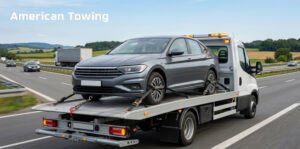
After the initial hook-up, the per-mile rate covers fuel consumption and wear on the tow truck. While $2 to $4 per mile is common for standard tows, specialized transport for luxury or classic cars might cost more. These vehicles often require flatbed trucks rather than wheel-lift trucks to prevent damage to the drivetrain or suspension.
| Service Type | Estimated Base Fee | Average Price Per Mile |
|---|---|---|
| Local Standard Tow | $50 – $100 | $2 – $5 |
| Heavy-Duty Tow | $150 – $250 | $6 – $10 |
| Exotic/Luxury Transport | $100 – $150 | $5 – $8 |
| Roadside Recovery (Winched) | $100 – $200 | $3 – $5 |
Costs for Specialized Recovery Situations
Not every tow involves a simple breakdown on a flat paved road. Some situations require extra labor and specialized tools, which increases the price.
Winching and Extraction
If a car slides off the road into a ditch, mud, or sand, the driver must use a winch to pull it back onto a towable surface. Most companies charge a winching fee per hour or per half-hour. This labor charge is separate from the hook-up fee. If the vehicle is in a precarious position that requires multiple trucks or specialized rigging, the cost can escalate quickly.
Dolly Fees and Wheel Lifts
Some vehicles cannot be towed with two wheels on the ground. For example, many all-wheel-drive cars require all four wheels to be off the pavement to avoid destroying the transmission. If a flatbed is unavailable, the driver must use “dollies,” which are small sets of wheels placed under the stationary tires. Using this equipment takes extra time and labor, usually resulting in a surcharge of $25 to $50.
Bonus Tip: Keep a digital copy of your vehicle owner’s manual on your phone. It specifies the manufacturer-approved towing method, which helps you tell the dispatcher exactly what kind of truck you need.
Market Data and Insurance Impact
While recovery and specialized equipment can significantly increase expenses, many drivers do not pay the full market rate out of pocket because they carry roadside assistance coverage. Information from The Zebra suggests that adding this coverage to an insurance policy often costs as little as $10 to $20 per year.
However, insurance companies often limit the distance they will cover. Many policies only pay for a tow to the “nearest qualified repair facility.” If a driver insists on taking the car to a specific mechanic 30 miles away, they may have to pay the difference in mileage out of pocket.
Things to Consider Before Calling for a Tow
Before committing to a service, evaluate these factors to avoid unexpected charges.
- Verify the Location: Know your exact coordinates or the nearest cross-streets. Dispatchers use this to calculate mileage accurately.
- Check for Obstructions: If the car is in a parking garage with a low ceiling, a standard flatbed might not fit. Inform the company of any height or space restrictions.
- Identify the Issue: If the car just needs a jump-start or a tire change, roadside service is cheaper than a full tow.
- Confirm the Destination: Call the repair shop before the truck arrives to ensure they can accept the vehicle. If the shop is closed or full, the tow truck may have to take the car to a storage yard, which incurs daily fees.
Common Questions About Towing Services
Beyond basic logistics, drivers often have specific questions regarding drivetrain safety and timing.
Does the drive system matter for the price?
Yes. All-wheel-drive and four-wheel-drive vehicles often require flatbed trucks to prevent mechanical damage. Flatbed service sometimes carries a higher base fee than traditional hook-and-chain or wheel-lift methods.
Are there hidden fees for storage?
If a vehicle is towed to a secondary lot rather than a mechanic or home, storage fees will apply. These charges typically accrue every 24 hours. Always aim to have the vehicle delivered directly to its final destination to avoid these costs.
Do prices change during holidays?
Many companies apply holiday or emergency surge pricing. Because fewer drivers are on call, the labor cost increases. Expect to pay a premium of 25% to 50% on these days.
Frequently Asked Questions
In addition to operational concerns, drivers should consider the safety and liability aspects of professional towing.
Can I tow a car myself to save money?
While renting a tow dolly is possible, it involves significant risk. Improperly secured vehicles can detach or cause accidents. Most personal vehicle hitches are not rated for the weight of another car, which can damage the towing vehicle’s frame or transmission.
Will a tow truck driver take me home as well?
Policy varies by company. Some drivers allow one passenger in the cab, while others prohibit passengers due to insurance liability. Always ask the dispatcher if you need a ride along with the vehicle.
Is towing more expensive for electric vehicles?
Electric vehicles are generally heavier than their gas counterparts due to battery weight. This extra weight may shift the service into a higher price bracket. Additionally, almost all electric vehicles must be transported on a flatbed to protect the electric motors.
What happens if the vehicle is damaged during the tow?
Professional companies carry liability insurance to cover damage caused by their equipment or staff. Document the condition of the vehicle with photos before the hook-up occurs to have clear evidence if a claim is necessary.
Practical Steps for Managing Costs
Managing a vehicle breakdown effectively requires a calm assessment of the situation and the available resources. Start by checking your insurance policy or credit card benefits, as many include roadside assistance. When calling a provider, provide specific details about the vehicle’s location and condition to get an accurate estimate.
Confirm the base fee and the per-mile rate before the truck is dispatched. Requesting a digital receipt or a written breakdown of charges ensures transparency. By understanding the standard market rates and the factors that drive prices up, you can avoid overpaying and ensure your vehicle reaches its destination safely. Evaluate the distance, the vehicle requirements, and the timing of the service to choose the most cost-effective solution for your specific needs.
Direct Assistance and Information
American Towing provides professional vehicle transport and recovery services with a focus on clear communication. For specific pricing questions or to request assistance, call 435-231-1116 or reach out via email at alansudweekstrucking@gmail.com. Experienced staff can help determine the necessary equipment for any vehicle size or recovery situation. Whether dealing with a roadside emergency or planning a long-distance haul, getting direct answers from a local professional helps manage the process without unnecessary stress.
Sources
- Progressive – An insurance provider breakdown of average towing costs and fee structures.
- J.D. Power – A leading automotive data company explaining the factors that influence towing expenses.
- The Zebra – An insurance comparison site detailing how roadside assistance coverage impacts out-of-pocket costs.