Skip to content
Becoming a roadside assistance contractor involves securing a reliable service vehicle, obtaining specific commercial insurance, and signing service agreements with motor clubs or private organizations. Success in this field requires a mix of mechanical aptitude, specialized equipment for tasks like tire changes and jump-starts, and the proper business licenses required by local and state governments.
This guide outlines the practical steps for establishing a professional roadside service operation. It covers everything from equipment selection to contract acquisition, providing a clear path for those ready to enter the industry. American Towing provides this information based on years of direct experience in the field to help new contractors understand the technical and operational demands of the job.
Establish the Business Structure and Licensing
The first step involves formalizing the business entity. Most independent contractors choose to form a Limited Liability Company (LLC) to protect personal assets. After choosing a structure, apply for a federal Employer Identification Number (EIN) through the Internal Revenue Service. This number is necessary for tax purposes and for opening a business bank account.
Licensing requirements vary significantly depending on your location. Some states require a specific motor carrier permit even if the vehicle does not exceed certain weight limits. If the business plans to tow vehicles, a Commercial Driver’s License (CDL) might be necessary, though many roadside-only contractors operate smaller service trucks that do not require one. According to the Federal Motor Carrier Safety Administration, any business operating a vehicle for commercial purposes across state lines must obtain a USDOT number. Even for local operations, many states mandate these numbers for safety monitoring.
Bonus Tip: Check with your local city or county clerk about “solicitation” or “itinerant merchant” permits. Some jurisdictions require these for any business that provides services on public roads or at various customer locations.
Secure Commercial Insurance Coverage
General auto insurance is not enough for a professional contractor. Most motor clubs and dispatch agencies require specific minimum coverage limits before they offer a contract. A standard policy for a roadside contractor usually includes:
- Commercial Auto Liability: Covers bodily injury and property damage to others.
- General Liability: Protects against non-auto related claims, such as damage to a customer’s property while performing a lockout.
- On-Hook Coverage: Only necessary if you are towing, this covers the vehicle being transported.
- Garagekeepers Insurance: Protects customer vehicles while they are in your care or stored at your facility.
Data from the Insurance Information Institute suggests that commercial premiums are influenced by the driving records of all employees and the types of vehicles used. Expect motor clubs to request “Additional Insured” endorsements on your policy, which gives them a degree of protection under your coverage while you are performing work for their members.
Select and Equip the Service Vehicle
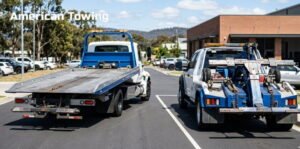
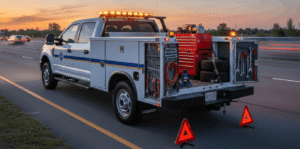
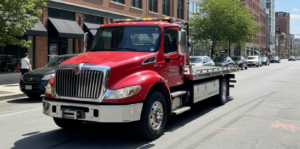
The choice of vehicle depends on the services offered. A dedicated service van or a heavy-duty pickup truck are the most common choices. Vans offer more secure storage for tools, while trucks may handle rougher terrain or offer better towing capabilities.
Quality equipment reduces the time spent on each call, which directly affects profitability. Investing in professional-grade tools ensures they last through heavy daily use.
Essential Equipment for Roadside Operations
| Equipment Type | Primary Use | Required Specifications |
|---|---|---|
| Jump Starter Pack | Battery failures | 2000+ Peak Amps (Lithium preferred) |
| Floor Jack | Tire changes | 2-ton or 3-ton rapid lift capacity |
| Lockout Kit | Keys locked in car | Long reach tool and inflatable air wedges |
| Air Compressor | Low tire pressure | 150 PSI minimum with tank |
| Diagnostic Scanner | Engine troubleshooting | OBD-II compatibility |
| Safety Lighting | Scene visibility | Amber LED strobe lights (SAE Class 1) |
Bonus Tip: Carry a high-quality portable battery tester. Many customers believe they need a jump when they actually need a new battery. Being able to prove a battery is failing allows you to offer more value and potentially sell a replacement if your business model supports it.
Partner with Motor Clubs and Dispatch Services
Most new contractors get their start by partnering with motor clubs. These organizations have large memberships and dispatch calls to local contractors based on proximity and performance. A report by IBISWorld indicates that the roadside assistance market relies heavily on these third-party contracts to maintain steady volume.
Common companies to contact include:
- AAA (American Automobile Association)
- Agero
- Allstate Roadside
- Geico
- Quest Towing Services
Each company has an application process. They will inspect your vehicle, verify your insurance, and background check any drivers. Be prepared to negotiate rates, though many clubs have set regional pricing for basic services like tire changes and fuel delivery.
Manage Operational Costs and Growth
Profitability in roadside assistance depends on managing overhead. Fuel and vehicle maintenance are the two largest ongoing expenses. Creating a strict maintenance schedule prevents breakdowns that lead to lost revenue. Using specialized dispatch software can help track calls, manage billing, and optimize routes to save on fuel, which is essential for meeting the strict arrival windows required by most dispatch contracts.
The Bureau of Labor Statistics notes that employment in transportation support roles remains stable, but success for independent contractors often requires working during peak demand times, such as holidays or during severe weather events.
Things to Consider Before Making a Decision
Before investing in a vehicle and equipment, evaluate these factors:
- Market Saturation: Research how many companies already operate in your area. If the local motor club has plenty of providers, you might struggle to get calls.
- Physical Demands: This job requires lifting heavy tires, working in extreme weather, and spending long hours on the road.
- Response Time Requirements: Most contracts require you to arrive within 45 to 60 minutes. Evaluate if you can realistically meet these windows in your target territory.
- Availability: Roadside issues don’t just happen during business hours. Many contractors find that nights and weekends provide the highest call volume.
Common Questions About the Industry
New contractors often have questions regarding facilities and legal compliance. For roadside-only work, a home-based office is usually sufficient, provided you have a secure place to park your service vehicle. Regarding safety, most states have “Move Over” laws to protect roadside workers; however, you must also wear high-visibility clothing and use proper strobe lighting to remain both safe and legally compliant while working on active highways.
Common Roadside Assistance FAQ
Is a special driver’s license required for roadside assistance?
For light-duty services like tire changes and jump-starts, a standard driver’s license is usually sufficient. However, if you operate a vehicle over 26,001 pounds or tow vehicles, you will likely need a Commercial Driver’s License (CDL) as specified by your state’s Department of Transportation.
How do roadside contractors get paid?
When working for motor clubs, you are typically paid through an automated clearing house (ACH) transfer or a digital payment system. Payments are usually processed weekly or bi-weekly. For private customers, most contractors use mobile credit card readers.
Can I start this business with a used vehicle?
Yes, many successful contractors start with a used truck or van to keep initial costs low. The primary requirement is that the vehicle is reliable, professional in appearance, and meets the inspection standards set by the dispatch companies you contract with.
What is the most profitable service to offer?
While jump-starts and lockouts are common, battery replacement programs often offer the highest margins. Selling and installing a new battery on-site provides a significant markup compared to the flat fee paid for a simple jump-start.
Do I need to be a certified mechanic?
You don’t need to be a certified master mechanic, but you must have a strong understanding of vehicle systems. You should be able to safely lift a vehicle, identify battery issues, and use lockout tools without damaging the customer’s car.
Summary of the Path Forward
Building a career as a roadside assistance contractor requires a combination of the right legal permits, specialized insurance, and reliable equipment. By focusing on rapid response times and professional service, a contractor can build a strong reputation with both motor clubs and local customers. Success comes down to consistency and safety on every call. Evaluate your local market and ensure your financial plan covers the initial equipment and insurance costs before launching.
Contact American Towing for Information
American Towing Service applies these industry standards to provide top-tier service to our community. If you are looking for professional roadside assistance or have specific questions about entering the industry, we are here to help. You can reach American Towing at 435-231-1116 or via email at alansudweekstrucking@gmail.com for further inquiries or service needs.
Sources
- Federal Motor Carrier Safety Administration – Official government resource for commercial vehicle registration and USDOT numbers.
- IBISWorld – Provides market research and statistics on the roadside assistance industry in the United States.
- Insurance Information Institute – An authoritative source for information regarding commercial insurance requirements and standards.
- Bureau of Labor Statistics – Federal data on employment trends and occupational outlooks for transportation services.