Skip to content
Starting a roadside assistance business requires securing a reliable service vehicle, obtaining specific commercial insurance, and registering a legal business entity. Success in this field depends on a quick response time and having the right tools to handle common vehicle issues like flat tires, dead batteries, and lockouts. Operators must decide between working as independent contractors for motor clubs or building a direct customer base through local marketing and service contracts.
This business model offers a steady demand because vehicle breakdowns occur regardless of economic conditions. While the initial investment focuses on equipment and licensing, the long-term profitability relies on efficient dispatching and maintaining a high standard of safety. American Towing provides this overview to help professionals understand the operational requirements and steps necessary to enter the industry.
Legal Structure and Registration Requirements
The first step involves choosing a legal structure such as a Limited Liability Company (LLC) or a corporation. An LLC is a common choice for small operators because it separates personal assets from business liabilities. After selecting a structure, register the business with the Secretary of State and obtain a federal Employer Identification Number (EIN) from the Internal Revenue Service. This number is necessary for opening a business bank account and filing taxes.
Local permits vary significantly by city and county. Some jurisdictions require a specific “tower” or “roadside service” permit even if the vehicle does not have a tow boom. Check with the local Department of Motor Vehicles or city clerk to identify which licenses apply to mobile repair and recovery services.
Essential Equipment and Service Tools
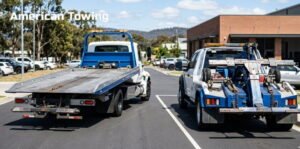
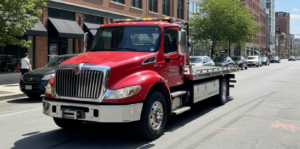
The quality of the service vehicle dictates the types of calls the business can accept. While a full-sized tow truck is useful, many roadside tasks like jump starts and tire changes can be performed using a heavy-duty pickup truck or a van. Using a smaller vehicle can reduce fuel costs and initial investment.
The following table outlines the standard equipment required for most roadside assistance calls.
| Equipment Item | Primary Use | Estimated Cost Range |
|---|---|---|
| Portable Jump Starter | Reviving dead batteries | $200 – $600 |
| Low Profile Floor Jack | Lifting vehicles for tire changes | $150 – $400 |
| Air Compressor | Inflating tires and powering tools | $300 – $800 |
| Lockout Kit | Gaining entry to locked vehicles | $100 – $300 |
| Fuel Containers | Delivering emergency gas or diesel | $50 – $100 |
| Safety Lighting | Increasing visibility on highways | $200 – $500 |
Bonus Tip: Invest in a high-quality battery tester rather than just a jump starter. Providing a printed report of a battery’s health can help customers decide if they need a replacement, which adds value to the service call.
Industry Market Data and Growth
The demand for roadside assistance remains strong as the average age of vehicles on the road increases. According to market research from IBISWorld, the roadside assistance industry has seen consistent revenue as consumers keep their cars longer, leading to more frequent mechanical failures.
Data provided by the Bureau of Labor Statistics indicates that the need for automotive service professionals stays steady because many modern vehicle systems require specialized tools that the average driver does not carry. Entering this market allows a business to capture a share of the billions spent annually on vehicle recovery and mobile repair.
Insurance Coverage for Roadside Operators
Standard personal auto insurance does not cover commercial roadside activities. A business must carry a commercial auto policy with specific riders. General liability insurance protects the business if a technician accidentally damages a customer’s vehicle while attempting a repair.
On-hook coverage is necessary if the business operates a tow truck, as it covers the vehicle being transported. Even for non-towing services, garage keepers insurance is worth considering if the business ever takes possession of a customer’s vehicle. Failure to maintain proper insurance can result in the loss of business licenses and significant personal financial risk. Proper risk management is the final prerequisite before evaluating specific local market entry strategies.
Things to Consider Before Making a Decision
Before purchasing equipment, evaluate the local competition and the specific needs of the target area. A business located near a major interstate will have different requirements than one serving a dense urban center.
- Vehicle Selection: Determine whether to purchase specialized towing machinery or a versatile service van based on your primary service goals.
- Service Radius: Define how far the vehicle will travel. Long distances increase fuel and maintenance costs.
- Operating Hours: Roadside needs often peak during rush hours and late at night. Decide if 24/7 availability is feasible.
- Staffing Needs: Starting as a solo operator is common, but growth requires hiring reliable drivers with clean records.
Partnering with Motor Clubs
Many new businesses start by becoming service providers for motor clubs and insurance companies. These organizations provide a steady stream of customers in exchange for a pre-negotiated, often lower, service rate. This helps a new company build a reputation and gain experience without spending a large budget on advertising.
To join these networks, the business must pass a background check and meet specific insurance minimums. While the profit margins per call may be lower than direct private calls, the volume of work helps cover fixed costs like truck payments and insurance premiums.
Customer Acquisition and Marketing
Relying solely on motor clubs can limit profit potential. Developing a direct customer base allows the business to set its own rates. Creating a simple website and maintaining a profile on local search directories helps stranded motorists find the service quickly.
Bonus Tip: Network with local auto repair shops that do not offer their own towing or roadside services. They can refer customers to the business, and in return, the business can tow disabled vehicles to their shops.
Safety and Technical Considerations
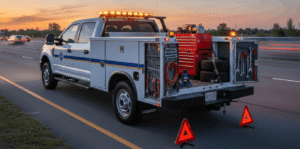
Many people worry about the danger of working on the side of a busy highway. Safety is the most important part of the job. Using high-visibility clothing and proper strobe lighting on the vehicle is mandatory. Always park the service vehicle in a way that creates a “safety pocket” for the technician to work.
Another concern is the technical knowledge required. While a full mechanic’s license is not always necessary for basic roadside help, a strong understanding of vehicle electronics and lockout techniques is required. Taking a certified training course in light-duty recovery can improve speed and safety.
Frequently Asked Questions
What are the most common roadside service calls?
The majority of calls involve battery jump starts, flat tire changes, and vehicle lockouts. Fuel delivery and winching vehicles out of mud or snow are also frequent, depending on the local climate and geography.
Can this business be started part time?
Yes, many operators begin by working evenings and weekends while maintaining a full-time job. However, motor clubs often prefer providers who are available during peak hours or 24/7.
How much should a roadside business charge per call?
Rates vary by location. Most businesses charge a base hook-up or service fee plus a mileage rate. For non-towing services, a flat fee for the specific task is standard. Researching local competitors ensures the pricing remains competitive while covering expenses.
Do I need a Commercial Driver’s License (CDL)?
In many cases, a CDL is not required if the Gross Vehicle Weight Rating (GVWR) of the service vehicle is under 26,001 pounds. However, some states have specific requirements for tow truck operators regardless of the vehicle’s weight.
Final Considerations
Building a successful roadside assistance company requires a combination of mechanical skill and business management. Success comes to those who prioritize safety and maintain a professional appearance. By securing the right equipment and insurance, a business can establish a reliable reputation in the community. American Towing suggests that new owners focus on response times and customer communication to build long-term loyalty. Evaluate the local market carefully and choose a vehicle that balances capabilities with operating costs to ensure the business remains sustainable.
Contact Information for Assistance
For more information regarding industry standards or professional recovery services, contact the team at American Towing. Professional advice is available by calling 435-231-1116 or sending an email to alansudweekstrucking@gmail.com. Providing reliable support for motorists requires dedication and the right technical approach to every service call.
Sources
- Internal Revenue Service – Information on obtaining an Employer Identification Number and federal tax requirements for small businesses.
- IBISWorld – Market research data regarding the size and revenue trends of the roadside assistance industry in the United States.
- Bureau of Labor Statistics – Occupational outlook and data for automotive service and repair professionals.
- Small Business Administration – Guidance on federal and state business licenses and permits required for service-based businesses.