Summarize with
Selecting a reliable towing service provider involves verifying valid licensing, transparent pricing, and specialized equipment. The most dependable companies maintain 24-hour towing service availability and carry comprehensive insurance to protect vehicles during transport. A quick way to identify a premier towing company is to verify their local reputation and ensure they offer the specific type of car towing service your vehicle requires.
Reliability in the towing industry is defined by speed, safety, and clear communication. This guide outlines the specific steps necessary to evaluate providers before an emergency occurs. By understanding how towing services work, vehicle owners can avoid predatory pricing and secondary damage to their vehicles. American Towing provides this information based on years of observing road safety standards and industry shifts.
Understanding Towing Equipment and Service Types
Different vehicles require specific towing methods. Using the wrong equipment can lead to transmission damage or frame misalignment. The National Highway Traffic Safety Administration (NHTSA) emphasizes the importance of proper vehicle securement during transport to prevent accidents on public roads. Understanding these differences helps in selecting the right car towing near me.
| Tow Truck Type | Best Use Case | Key Benefit |
|---|---|---|
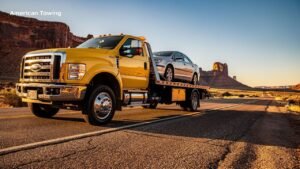
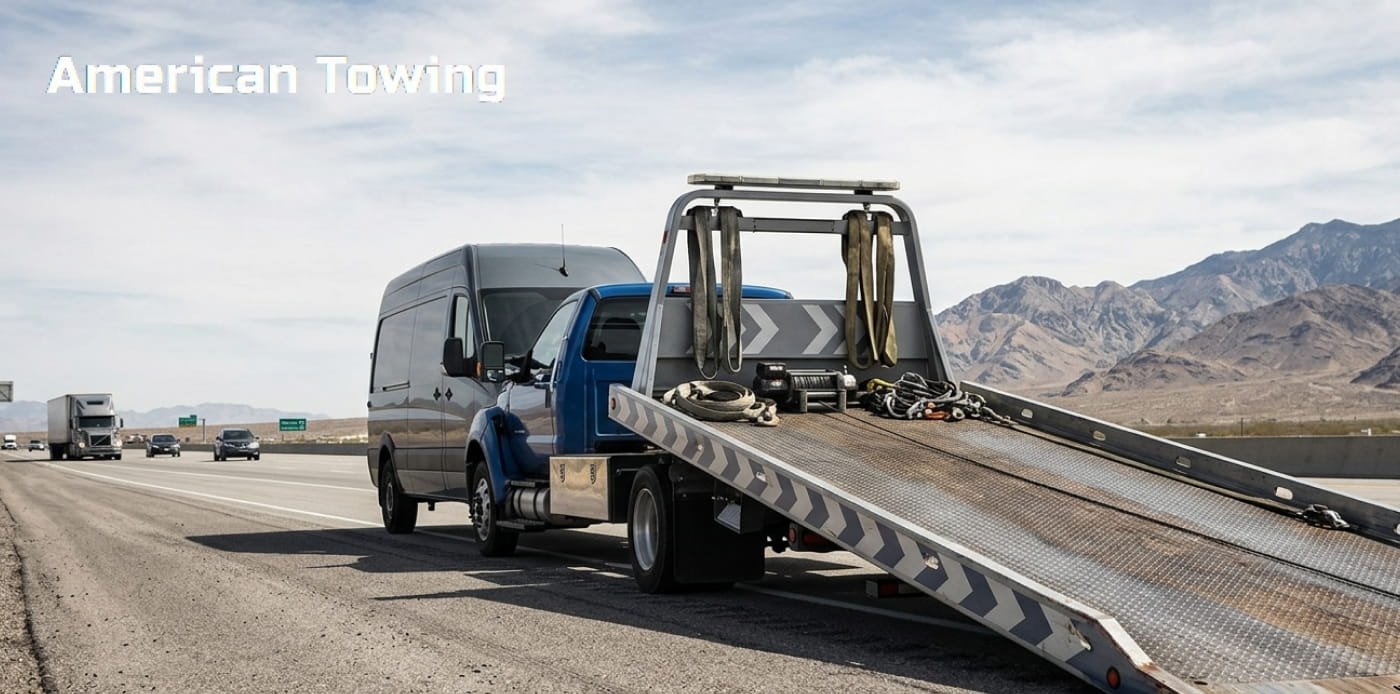
| Flatbed | Luxury cars, 4WD vehicles, long distances | No wear on vehicle tires or drivetrain |
| Hook and Chain | Scrapped vehicles or heavy wreckage | High lifting capacity for damaged frames |
| Wheel-Lift | Short distances, light-duty sedans | Fast hook-up for quick clearances |
| Integrated | Heavy-duty trucks and buses | Combined boom and wheel-lift for stability |
1. Verify Licensing and Insurance Coverage
The most fundamental sign of a professional operation is proper documentation. Every vehicle towing service must hold a valid permit from state or local authorities to operate legally. In many regions, the Federal Motor Carrier Safety Administration (FMCSA) regulates companies that tow across state lines. Licensing ensures the company meets minimum safety standards and undergoes regular inspections.
Insurance is equally important. A reliable tow truck near me should carry liability insurance and “on-hook” coverage. On-hook insurance specifically covers any damage that occurs to your vehicle while it is being towed. Without this, the vehicle owner might be responsible for costs if the car falls or is hit during transit. Always request proof of insurance before allowing any technician to attach equipment to the vehicle.
2. Assess Response Times and Availability
Vehicle breakdowns rarely happen at convenient times, making 24/7 availability essential for any emergency towing service. When calling for assistance, ask for a specific estimated time of arrival. While traffic and weather can impact speed, a company with a large fleet typically provides more consistent roadside assistance near me.
Data from the Bureau of Labor Statistics indicates that the demand for specialized automotive support continues to rise as vehicles become more complex. High-quality providers invest in dispatch technology to track drivers and provide real-time updates. If a company cannot give a clear timeline or seems disorganized during the initial call, they may not be the most reliable option during a crisis.
Bonus Tip: Save the contact information for a 24-hour towing service in your phone before an emergency occurs. Scrambling for a number on the side of a dark highway often leads to rushed, poor decisions.
3. Evaluate Fleet Versatility and Specialized Services
A company that only operates one type of truck may not be equipped for every situation. For example, if a car is stuck in a low-clearance parking garage, a standard flatbed might not fit. The best towing service guide suggests looking for providers that offer a variety of services, including motorcycle towing, heavy-duty recovery, and roadside help like jump-starts or tire changes.
How towing services work often depends on the specific mechanical needs of the car. All-wheel-drive vehicles generally must be transported on a flatbed to avoid damaging the center differential. A provider that asks detailed questions about the vehicle’s make and model shows they prioritize mechanical safety. This attention to detail differentiates a professional local towing company from a subpar operation.
4. Review Pricing Transparency and Fee Structures
Hidden fees are a common complaint in the towing industry. A reliable towing service should provide a clear breakdown of costs over the phone, typically including a base hook-up fee plus a towing cost per mile. Ask if there are extra charges for “winching” if the car is off the road, or for “after-hours” service
According to a study on consumer protection by the Federal Trade Commission (FTC), clear price disclosures prevent “predatory towing” practices. Avoid companies that refuse to provide an estimate or demand cash-only payments without a receipt. Professional businesses accept multiple payment forms and provide digital or paper documentation for every transaction.
5. Check Professional Reputation and Local Feedback
Online reviews and local ratings provide a window into how a company treats its customers. While one or two negative reviews are common, look for patterns in the feedback. Frequent mentions of long wait times, unprofessional drivers, or unexpected price hikes are significant red flags. The Better Business Bureau (BBB) is an excellent resource for checking the complaint history of a towing service provider.
A reputable local towing company often maintains partnerships with local law enforcement or auto repair shops. These relationships suggest that the business is trusted within the community. Professionalism also extends to the appearance of the equipment; clean, well-maintained trucks with clear company branding are signs of an owner who cares about quality.
Bonus Tip: When the driver arrives, check if their uniform or truck markings match the company you called. This prevents “gypsy” towers from poaching the job and charging unauthorized rates.
Smart Considerations Before You Move Forward
Before committing to a specific emergency towing near me, evaluate these practical factors:
- Distance Requirements: Some companies specialize in local hauls, while others are better equipped for long-distance transport. Ensure the provider is comfortable with the total mileage.
- Storage Facility Access: If the vehicle is being towed to the company’s lot, ask about their operational hours. Some yards are closed on weekends, which could prevent you from retrieving the car or personal items.
- Communication Style: Pay attention to the dispatcher. A professional dispatcher will ask for your exact location and the vehicle’s condition, then provide safety instructions while you wait.
- Safety Equipment: Verify that the driver uses safety chains and light bars. Proper roadside safety towing tips suggest that the towed vehicle should remain visible to other drivers at all times.
Common Questions About Towing Services
Is it safe to tow an automatic car with the wheels on the ground? Most automatic vehicles require a flatbed or a tow dolly to prevent internal transmission damage. If the drive wheels remain on the ground while the engine is off, the transmission fluid does not circulate, which can lead to overheating and mechanical failure.
Does insurance always cover the cost of a tow? Coverage depends on the specific policy. Many drivers have roadside assistance add-ons through their insurance or credit card companies. It is helpful to check these details annually so you know if you will be reimbursed for a car towing service.
What information should be provided to the towing company? Always provide the year, make, and model of the car. Mention if the tires are flat, if the steering is locked, or if the vehicle is in a difficult spot like a ditch or a tight garage. This helps the provider dispatch the right equipment.
Frequently Asked Questions
Can a towing company tow a vehicle without the keys?
Yes, professional providers have tools to tow vehicles without keys. They use wheel-lifts or dollies to move the car without shifting it into gear or unlocking the steering column. This is common in repossession or parking enforcement scenarios.
How long can a car stay in a towing storage lot?
Vehicles can stay in storage indefinitely, but daily fees accumulate quickly. Most states have laws requiring companies to notify owners within a certain timeframe. It is best to move the vehicle to a repair shop or home as soon as possible.
What is the difference between towing and roadside assistance?
Towing involves moving the vehicle from one location to another. Roadside assistance refers to minor repairs made on the spot, such as battery jumps, fuel delivery, or lockout services. Most reliable providers offer both.
Will towing my car damage the bumper?
A professional car towing service uses modern equipment like wheel-lifts or flatbeds that do not touch the bumper. Older hook-and-chain methods often caused body damage, but these are rarely used for standard passenger cars today.
Strategic Selection for Long Term Safety
Selecting a towing service provider is a decision that impacts both vehicle health and personal safety. By focusing on licensing, equipment variety, and pricing transparency, drivers can ensure they are in good hands during an emergency. Always prioritize companies that demonstrate professionalism through clear communication and equipment maintenance. Evaluating these factors before a breakdown allows for a much more controlled experience when assistance is eventually needed. American Towing recommends keeping a shortlist of vetted providers to maintain peace of mind on the road.
Contact American Towing for Reliable Support
When unexpected vehicle issues arise, having a dependable partner makes all the difference. American Towing offers professional assistance to help drivers get back on the road safely. For questions regarding service areas or specific vehicle transport needs, contact the team at 435-231-1116. Inquiries can also be sent via email to alansudweekstrucking@gmail.com for non-emergency coordination. Whether it is a local haul or emergency support, the focus remains on safety and efficient service for every vehicle owner.
Sources
- IBISWorld Towing Industry Report – Provides market data and growth trends for the towing services industry in the United States.
- National Highway Traffic Safety Administration (NHTSA) – Offers safety guidelines and regulations for vehicle transport and roadside safety.
- Federal Motor Carrier Safety Administration (FMCSA) – Outlines federal licensing and safety requirements for commercial towing operations.
- Bureau of Labor Statistics (BLS) – Supplies economic data regarding automotive service demand and industry labor trends.
- Federal Trade Commission (FTC) – Provides consumer protection information regarding fair pricing and business practices.
- Better Business Bureau (BBB) – A platform for verifying business reputations and reviewing consumer complaint histories.