Skip to content
Summarize with
Your car breaks down on the highway at 2 AM. It’s cold. You’re nowhere near a gas station. Your hands shake while you pull out your phone. You wonder immediately: am I going to get hammered with a massive bill? Will I actually be able to afford help right now?
This is the panic most drivers feel when their car breaks down, and they don’t have roadside assistance coverage. The uncertainty is brutal. According to the National Highway Traffic Safety Administration, approximately 220 million vehicles operate on U.S. roads, and breakdowns happen to a significant portion of them annually.
Here’s the real talk: help exists. It just costs different amounts depending on how you approach it. We can walk you through exactly what that looks like. At American Towing Service, we’ve handled hundreds of these calls, and we know what people actually pay.
What Roadside Assistance Covers Without Insurance
Roadside Assistance becomes your safety net when things go wrong on the road. This roadside assistance guide explains what roadside assistance actually covers and helps you prepare for costs. When you don’t have insurance-backed coverage, you’re paying independently for whatever service you need in that moment.
Here’s what actually gets covered. Your car runs out of gas. You get a flat tire and need replacement or repair. You lose your keys, get locked out, or your battery dies completely. The engine overheats. You need a jump start. Your car breaks down on the highway and needs towing to a shop. All of these fall under emergency services covered by professional roadside assistance, and all of them come with price tags.
The key difference is who’s paying. With an insurance policy that includes roadside help, your insurer handles most costs. Without it, you’re the one writing the check. That check can hurt. Choosing a quality roadside support service provider matters when you’re paying directly.
Lockout services alone run $75 to $150 depending on your location and time of day. Battery replacement might cost $100 to $250. Towing distances matter too when using roadside assistance providers. Five miles costs way less than fifty miles.
Roadside Assistance Without Insurance Cost Factors
Roadside assistance without insurance cost fluctuates based on several variables that stack together quickly. Understanding these factors helps you prepare financially for unexpected breakdowns when selecting a roadside support service.
Time of day matters tremendously for roadside assistance pricing. Calling for help at 3 PM on a Tuesday costs less than 3 AM on a Sunday. After-hours services charge premiums because mechanics and tow truck operators aren’t working their regular shifts. You’re paying for inconvenience essentially, which is why most service providers offer 24/7 availability.
Your location plays a massive role too in roadside service costs. Rural areas mean longer distances for tow trucks. That distance equals higher costs. Urban areas have more roadside assistance service providers competing, which sometimes drives costs down. Being stuck on a remote highway versus a city street can mean a difference of several hundred dollars.
The type of service you need determines the base cost for any roadside assistance. A simple lockout costs less than a full tow. A battery jump costs less than being towed fifty miles to the nearest dealership. Some services are quick fixes taking twenty minutes. Others take hours, which increases what you’ll pay through your roadside assistance.
The condition of your vehicle matters. A car that simply ran out of gas gets a quick fix. A transmission that’s destroyed requires professional diagnosis and potentially overnight storage at a shop, which adds facility fees on top of towing.
Pay Per Use Roadside Assistance Options
Pay per use roadside assistance is exactly what it sounds like: you call for help, they come help you, and you pay that day. No membership. No insurance policy. Just direct payment to your roadside help service provider. This option appeals to people who rarely need help and don’t want to pay annual membership fees for roadside assistance they might never use.
If your car is relatively new and reliable, paying per use for roadside assistance might make financial sense. You’re not paying for coverage you never actually use.
Single tow calls through a roadside assistance typically run $150 to $500 depending on distance. You pay the tow truck driver directly, usually with cash or card on site. Lockout services run $100 to $200. Battery services run $150 to $300. These are rough ranges because regional variation exists in roadside assistance pricing.
The problem with pay per use roadside assistance becomes obvious when emergencies stack. You get stranded far from home with no cell coverage at first. When you finally get through to a roadside assistance provider, they might not accept payment plans. They want money upfront or won’t dispatch anyone. This creates real stress in actual emergencies.
Some people build an emergency fund specifically for breakdown situations. They put aside $500 to $1,000 knowing they can access it if needed. That’s their personal roadside assistance strategy.
Emergency Roadside Assistance Cost by Service
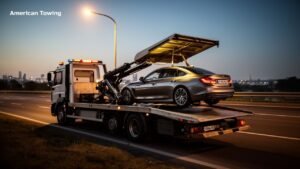
Towing services cost the most when you use a roadside assistance service. Standard towing runs $100 to $300 for the first five miles, then $5 to $15 per additional mile. Long-distance towing across state lines can hit $1,000 or more through a professional assistance service. You’re paying for truck deployment, driver time, fuel, and equipment.
Lockout services cost $100 to $200 when you need emergency roadside assistance. The locksmith arrives, picks or breaks the lock (depending on the situation), gets you inside, and leaves. Quick job. Significant expense.
Battery services run $150 to $300 through most roadside assistance options. This includes the jump start itself and potentially battery replacement if yours is dead. Replacement batteries cost more than jump starts from your roadside assistance.
Fuel delivery for empty tanks costs $50 to $100 when using roadside assistance service. They bring gas to you. You pay. This is one of the cheaper services available through any roadside assistance provider.
Tire repair or replacement costs $100 to $400 depending on whether they just patch it or replace it. Replacement tires cost more, obviously.
Winch-out services for stuck vehicles cost $200 to $500. Getting a car unstuck from mud, snow, or ditches requires special equipment and expertise.
Vehicle Breakdown Assistance for Common Emergencies
Vehicle breakdown assistance covers the emergencies people actually face on roads when they use roadside assistance. These situations happen more often than you think, and knowing costs helps you plan for professional automobile breakdown assistance.
Dead batteries strand thousands of drivers daily. You turn the key. Nothing happens. The engine won’t even try to start. A jump start solves this through vehicle assistance if your alternator is working. Cost runs $75 to $150. If the battery itself is dead and needs replacement, add another $100 to $200 through professional vehicle breakdown services.
Running out of gas creates embarrassment more than danger. Fuel delivery comes to you. Cost is typically $50 to $100 for the service plus whatever you pay for the actual fuel. This is honestly one of the cheapest emergencies to fix.
Lockouts happen when keys are lost, forgotten in the car, or when someone locks the car while it’s running. Locksmiths charge $100 to $250 depending on the car’s security system complexity. Older cars cost less. Newer cars with electronic locks cost more.
Overheating happens in summer mostly. The engine temperature rises dangerously. You pull over and call for help. A technician diagnoses the problem (coolant leak, failed thermostat, broken water pump). Simple fixes run $100 to $300. Major repairs run significantly higher.
Towing Cost Without Insurance
Local towing within five miles through a roadside assistance costs $100 to $200. These are short jobs. The truck arrives, hooks up your car, drives it to a local shop, and you pay upon delivery through your roadside assistance. Simple transaction.
Regional towing of 20 to 50 miles using a professional assistance service costs $300 to $600. This is the distance from suburbs to major city repair facilities. The operator spends more time using roadside assistance, uses more fuel, and the job takes longer overall.
Long-distance towing exceeding 100 miles with premium roadside assistance costs $800 to $1,500 or more. Interstate towing across state lines through a roadside assistance service can cost $2,000 plus. These are premium services because they involve significant operator time and fuel consumption.
Heavy duty towing for large trucks or specialty vehicles costs more. A standard passenger car tows cheaper than an SUV or truck. A motorcycle or recreational vehicle might cost less but requires special equipment.
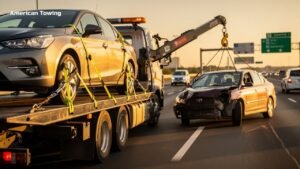
Accident recovery towing costs significantly more because it requires careful extraction from the accident scene, potential additional equipment like winches or cranes, and possible police coordination. These jobs easily exceed $500 to $1,000.
Storage fees pile on top of towing if your vehicle sits at a repair facility overnight or longer. Facilities charge $25 to $50 per day typically. That adds up quickly in repair situations taking multiple days.
According to the American Automobile Association (AAA), member towing benefits average $100 to $150 per service, but non-members often pay two to three times that amount depending on circumstance and location.
Choosing the Right Roadside Assistance Option
Roadside assistance service options range from nothing (dangerous) to comprehensive memberships (sometimes pricey). Figuring out what roadside service works for you depends on your specific situation and driving habits.
If you drive an older car with questionable reliability, paying for comprehensive assistance service coverage makes sense. Membership in a professional roadside assistance service provider costs $80 to $150 annually. One towing emergency through a quality service pays for that investment completely. You’re protected through reliable roadside service if multiple issues occur throughout the year.
If you drive a brand new car under warranty with strong reliability, pay per use roadside assistance service might work. You might never need it. When you do need roadside assistance, you pay that day, move on, and don’t waste money on coverage you didn’t use.
If you drive a lot for work, especially long distances, membership in a service becomes essential. One breakdown far from home through inadequate roadside assistance could cost more than years of membership fees. The protection justifies the annual cost for serious roadside service options.
Some credit cards offer roadside assistance as a cardholder benefit. Check your card terms. You might already have coverage without realizing you have roadside service included. This is free protection you should know about with your roadside assistance service.
AAA membership includes roadside assistance. Their $100+ annual membership covers towing, lockouts, fuel delivery, and battery service. The coverage extends to family members in emergencies too. People often view AAA membership as the best value for regular drivers.
Ask yourself honestly: how often do I drive? How old is my car? How far from home do I typically drive? Do I have emergency funds if disaster strikes? Your answers determine what coverage level you actually need.
Secure Right Roadside Assistance Plan
You’re stressed. Your car isn’t working. You’re worried about costs. You might make rushed decisions that cost more money in the long run. Maybe you accept the first tow truck’s outrageous quote instead of shopping around. Maybe you agree to repairs you don’t actually understand.
That’s where we help. At American Towing Service, we don’t push expensive solutions. We help you understand what you actually need in that moment. We dispatch efficiently. We charge fairly. We get you to safety and your car to competent mechanics.
American Towing service provides professional roadside assistance service throughout the region. When your vehicle needs help, we’re here. Call 435-231-1116 or email alansudweekstrucking@gmail.com for fast, fair-priced towing and roadside emergency assistance.
We operate throughout the region, handling everything from simple lockouts to complex accident recovery towing. We’ve been doing this long enough to know what fair pricing looks like, and we pass that knowledge to our customers. When you choose American Towing Service for your roadside assistance service needs, you’re choosing reliability and honest pricing in moments when you need both most.
What’s the cheapest way to get roadside assistance without insurance?
Pay per use for occasional drivers. Build an emergency fund and stay calm if breakdowns happen. For regular drivers, membership in AAA or similar services typically costs less per incident than pay per use pricing.
How much should I budget for roadside emergencies annually?
If you drive regularly, budget $100 to $200 annually for membership or an emergency fund. If you drive occasionally, keep $500 to $1,000 available for unexpected expenses. Don’t try to cheap out here.
Can I negotiate towing costs on the spot?
Sometimes. If you call around for quotes, you can compare prices. Some operators offer lower rates for cash payment. But in true emergencies at odd hours, you might not have time to shop around.
Does my credit card coverage count as roadside assistance?
Check your card’s benefits guide. Many cards offer it, but coverage limits vary. Some cards only cover $500 total annually. Know your limits before relying on them.
What if I can’t afford the roadside assistance bill?
Contact the service provider immediately. Many work with payment plans. Explain your situation honestly. Some operators are willing to negotiate, especially if you’re not confrontational about it.
Sources
U.S. Department of Transportation. Their statistics inform consumer protection standards and roadside assistance industry practices.
Federal Trade Commission Consumer Protection: The FTC provides consumer protection information for roadside assistance services, including guidance on transparent pricing, service quality standards, and fraud prevention in the towing and assistance industry.