Skip to content
Summarize with
A roadside emergency can happen without warning. Whether your battery dies before work, you run out of fuel on a rural highway, or your vehicle develops a mechanical problem during a trip, knowing what to do next can make the situation safer and less stressful. Acting calmly and following a few essential steps helps protect you, your passengers, and your vehicle while professional assistance is on the way.
This checklist explains how to respond during common roadside emergencies, what information to provide when requesting assistance, and how to prepare your vehicle for recovery. Taking these steps can reduce delays and help roadside technicians resolve the problem more efficiently.
Put Safety Before Anything Else
Your first priority should always be your personal safety. If the vehicle is still drivable, carefully move it away from moving traffic and stop in a location where other drivers can easily see you. Activate your hazard lights immediately to improve visibility, especially during nighttime, rain, fog, or snow.
If the surrounding area appears dangerous, remain inside the vehicle with your seat belt fastened until professional help arrives. Exiting the vehicle near high-speed traffic should only be considered when remaining inside creates a greater safety risk.
Safety Checklist
- Pull off the roadway whenever possible.
- Turn on hazard warning lights immediately.
- Use reflective triangles or flares if available.
- Stay inside the vehicle unless conditions become unsafe.
- Keep passengers away from moving traffic.
Identify the Problem Before Calling for Help
Taking a few moments to identify the issue allows the dispatcher to send the correct roadside service. While you do not need to diagnose the vehicle yourself, simple observations can help determine whether you need a jump-start, fuel delivery, tire service, lockout assistance, or towing.
Pay attention to dashboard warning lights, unusual noises, smoke, fluid leaks, or whether the engine attempts to start. Even small details can help technicians arrive better prepared for your situation.
Things to Check
- Does the engine crank, click, or remain completely silent?
- Are any warning lights illuminated?
- Is the fuel gauge showing empty?
- Do you notice leaking fluids beneath the vehicle?
- Is there visible tire or wheel damage?
Request the Appropriate Service
Different roadside problems require different solutions. Choosing the correct service helps technicians arrive with the proper equipment and reduces unnecessary delays.
Battery Problems
A weak or dead battery is one of the most common roadside emergencies. If your headlights appear dim or the engine only clicks when you turn the key, a professional jump-start may quickly restore power. If the battery no longer holds a charge, the technician may also recommend replacement.
Fuel Delivery
Running out of fuel is inconvenient but easily resolved through professional fuel delivery. Rather than walking to the nearest gas station, remain safely with your vehicle while fuel is delivered directly to your location.
Flat Tire or Mechanical Failure
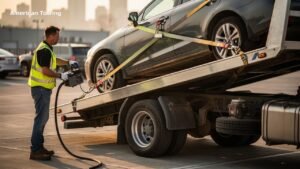
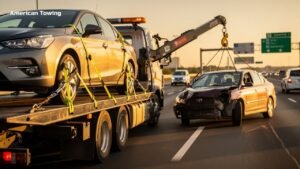
If a flat tire cannot be safely changed on-site or your vehicle has experienced serious mechanical damage, towing is usually the safest option. Flatbed towing is often recommended for luxury vehicles, electric vehicles, all-wheel-drive models, and vehicles with suspension or drivetrain damage.
- Send a message to dispatch if the car makes noises or won’t shift
- Select your destination: home, mechanic, or dealership
- Ask about flatbed towing for low-clearance or luxury cars
- Remove valuables prior to the arrival of the tow truck
Prepare Your Vehicle Before Assistance Arrives
A few simple preparations help technicians begin work immediately after arrival. Secure valuable belongings, gather important documents, and ensure the vehicle can be accessed safely if conditions allow.
Before the Technician Arrive
- Remove valuables from the vehicle.
- Keep your driver’s license and insurance information ready.
- Secure children and pets.
- Unlock the vehicle if it is safe to do so.
- Inform the technician of any existing vehicle damage.
Inquire About Other Margin Support
Sometimes the problem isn’t simple. In addition to towing, American Towing Service can assist with lockouts, winch-outs, and battery changes. Ask what more they can do to get you back on the road.
- Ask about lockout help when keys are inside
- Inquire about winch-out services in mud or snow
- Request a battery change if the jumpstart fails
- Check the price and service availability
Ask About Additional Roadside Services
Many roadside assistance providers offer more than towing alone. Depending on the situation, they may also provide lockout assistance, winch-out recovery, battery replacement, tire changes, or vehicle recovery from snow, mud, or ditches.
Explaining the full situation allows dispatchers to determine whether additional equipment or specialized recovery vehicles are required.
Save Emergency Contact Information
Preparing before an emergency happens can save valuable time later. Store your preferred roadside assistance provider’s phone number in your mobile phone and keep a backup copy in your vehicle. Sharing this information with family members who regularly drive can also be helpful during unexpected breakdowns.
- Arrange frequent oil changes and battery checks
- Rotate tires and monitor wear
- Store an emergency kit in your trunk
- Stay alert to warning lights and strange sounds
Reduce the Risk of Future Breakdowns
Although not every roadside emergency can be prevented, regular vehicle maintenance greatly reduces the chances of unexpected failures. Routine inspections often identify worn components before they leave you stranded.
Simple preventative maintenance includes:
- Checking battery condition regularly.
- Monitoring tire pressure and tread depth.
- Following scheduled oil changes.
- Inspecting fluid levels.
- Keeping an emergency roadside kit inside the vehicle.
- Addressing warning lights as soon as they appear.
Final Thoughts
Breaking down is outside your control. Being prepared isn’t. With this checklist and a dependable crew by your side, roadside crises become minor inconveniences, not major disruptions. Whether you need a jumpstart, fuel delivery, or full vehicle recovery, just call.
Your car can fail you. We will not. Dial 24/7 roadside assistance with a team that arrives prepared and treats your emergency like their own.
Frequently Asked Questions
1. What should I do first during a breakdown?
Move to a safe, well-lit area and turn on hazard lights.
2. How can I assess my car’s problem?
Check dashboard lights, engine sounds, battery, fuel, and leaks.
3. When should I call for roadside assistance?
After assessing the issue, contact a 24/7 professional service.
4. What if my battery is dead?
Ask a technician to jumpstart or inspect/replace the battery.
5. What if I run out of fuel?
Order fuel delivery and stay safely inside your car until it arrives.