Summarize with
Moving a vehicle across hundreds of miles without adding mileage to its engine requires the right transport method. Auto transporter complaints are climbing fast, but with proper planning, long-distance towing can help you avoid common problems that catch many customers off guard.
This guide explains how the process works and which method fits your car. You’ll also learn what to check before anyone touches your keys. Utah’s long highways and steep winter canyons add challenges to every route.
Whether you need roadside assistance or help arranging a longer vehicle move, American Towing Service brings more than 15 years of towing experience in Utah. Our towing services can help you explore the right option for your vehicle.
Long Distance Towing Explained: What It Is and How the Process Works
Long distance towing means a professional carrier moves your vehicle over a long route on a truck or trailer. Many companies treat 100 miles or more as the starting point. Shorter hops belong to local towing.
The process follows four steps.
- You request a quote and share your pickup details.
- We confirm a pickup window and load the vehicle.
- The driver follows a planned route
- We deliver the car to your chosen address.
When You Need It
You may need long distance towing for one of these common reasons:
- A move to another state when you cannot drive every vehicle yourself
- A used car bought online or at an auction far from home
- A breakdown where the nearest shop cannot fix the problem
- A classic or exotic car heading to a show or storage unit
- A vehicle that does not run and cannot move on its own
Each case changes the equipment, the timeline, and the paperwork. A running sedan and a stalled work truck need very different handling.
How Local and Long Hauls Differ
Route planning separates the two. A local tow often ends within an hour. A long haul can cross several states and stretch over multiple days.
Distance in Utah adds up fast. Salt Lake City sits roughly 420 miles from Las Vegas and roughly 520 miles from Denver. That scale is why long distance towing needs fuel stops, rest breaks, and weather checks built into the plan.
Long Distance Vehicle Towing Methods and Equipment
Your drivetrain, vehicle value, and running condition decide the right method. Four setups cover nearly every long distance towing job. Each one carries trade offs in cost and protection.
1: Flatbed Truck
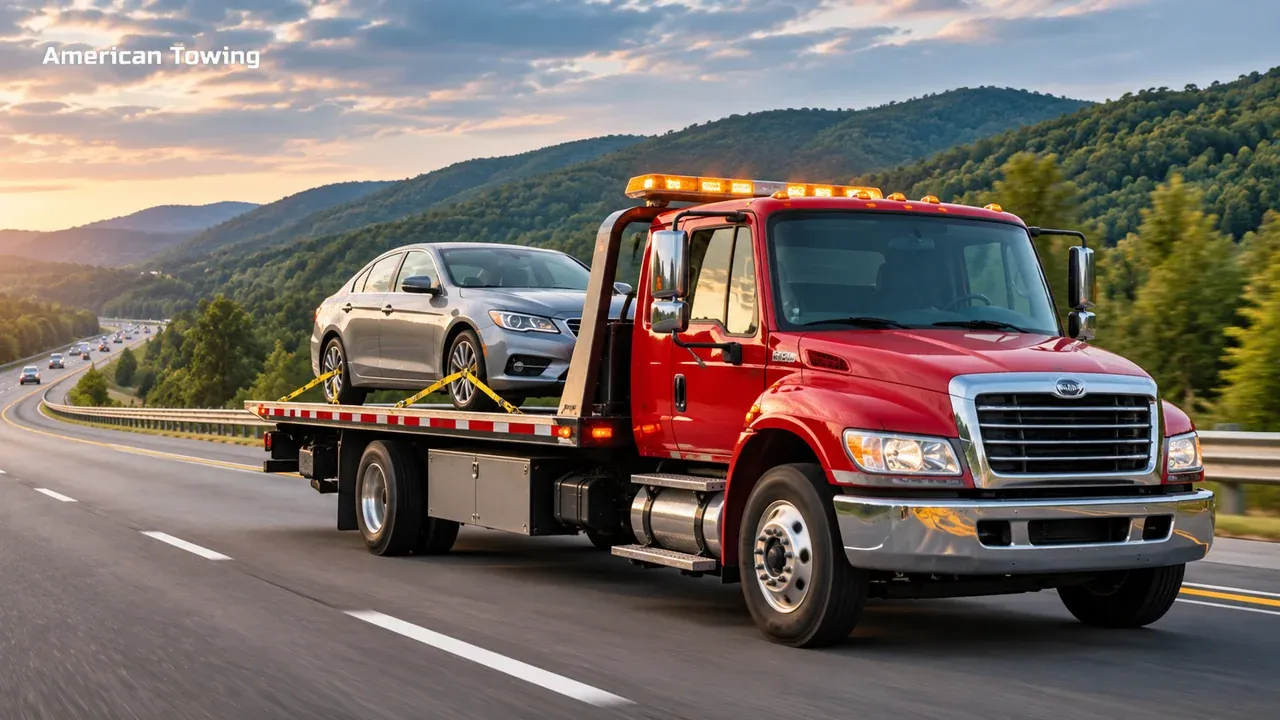
A flatbed carries your vehicle fully off the road. All four wheels stay still during the trip. This method suits low clearance cars, All Wheel Drive models, and vehicles that do not run.
2: Tow Dolly
A tow dolly lifts the front wheels while the rear wheels roll. It usually costs less than a flatbed. It does not suit every drivetrain, so confirm your model with the dispatcher first.
3: Wheel Lift
A wheel lift raises one axle with a metal frame. It handles short transfers well. Across hundreds of miles, it puts more strain on the vehicle, so most owners choose another method.
4: Enclosed Trailer
An enclosed trailer shields your car from weather and road debris. Owners of classic, exotic, and high value vehicles often pick it. You pay more, and you gain the most protection.
| Method | Best for | Protection level | Watch out for |
|---|---|---|---|
| Flatbed | Non running, low clearance, and All Wheel Drive cars | High | Higher price than a dolly |
| Tow dolly | Front Wheel Drive cars that run | Moderate | Drivetrain limits |
| Wheel lift | Short transfers | Basic | Strain over long routes |
| Enclosed trailer | Classic, exotic, and high value cars | Highest | Highest price and tighter scheduling |
Long Distance Towing Companies: How to Check Who You Hire
Check federal registration first. Then confirm insurance, written terms, and real reviews. The best long distance towing firms answer these questions without hesitation.
Registration and Licensing
Interstate auto carriers and brokers must register with FMCSA. Carriers receive a seven digit USDOT number. Both carriers and brokers receive a six digit MC Docket number. FMCSA offers a carrier search, so you can verify any company in a few minutes.
A company that hides these numbers deserves your suspicion. FMCSA also began moving new USDOT registrations to a system called Motus on May 14, 2026. Ask for the numbers and run the search yourself. The Federal Motor Carrier Safety Administration reports a sharp rise in complaints against auto transporters. Careful planning protects you from most of them.
| Pro Tip: Ask for the MC Docket and USDOT numbers before you pay a deposit. Look both up on the FMCSA site while the dispatcher waits. Two minutes now can save you weeks of claims later. |
Insurance and Written Terms
Insurance protects you when something goes wrong on the road. Do not accept a verbal promise. Request these items before pickup:
- A certificate of insurance that shows what the policy covers
- A written quote with every fee listed
- Clear cancellation and delay terms
- Your own auto policy details, since some policies limit coverage during transport
Reviews and Response Time
Recent reviews show how a company behaves under pressure. Look for comments about communication, pickup punctuality, and damage handling. A good dispatcher answers fast, explains the route, and gives you a realistic pickup window.
Long Haul Towing: What Happens Between Pickup and Delivery
The vehicle transport process for a long haul involves several clear steps. The driver inspects the vehicle, loads and secures it, then follows the planned route. Knowing each stage helps you spot a careless operator.
1: Loading and Securing
The driver walks around your vehicle with you. Existing marks go on the paperwork. Straps or chains then lock the wheels to the deck, and the driver checks clearance before the truck moves.
2: On the Road
A planned long distance towing job includes fuel stops, rest breaks, and regular strap checks. The driver watches weather and road closures along the route. Mountain passes in Utah can change plans within hours.
3: Handling Delays
Storms, closures, and mechanical issues can move a delivery window. Reliable dispatchers tell you early and give a new estimate. Silence from a company is a warning sign, so ask how often you will receive updates.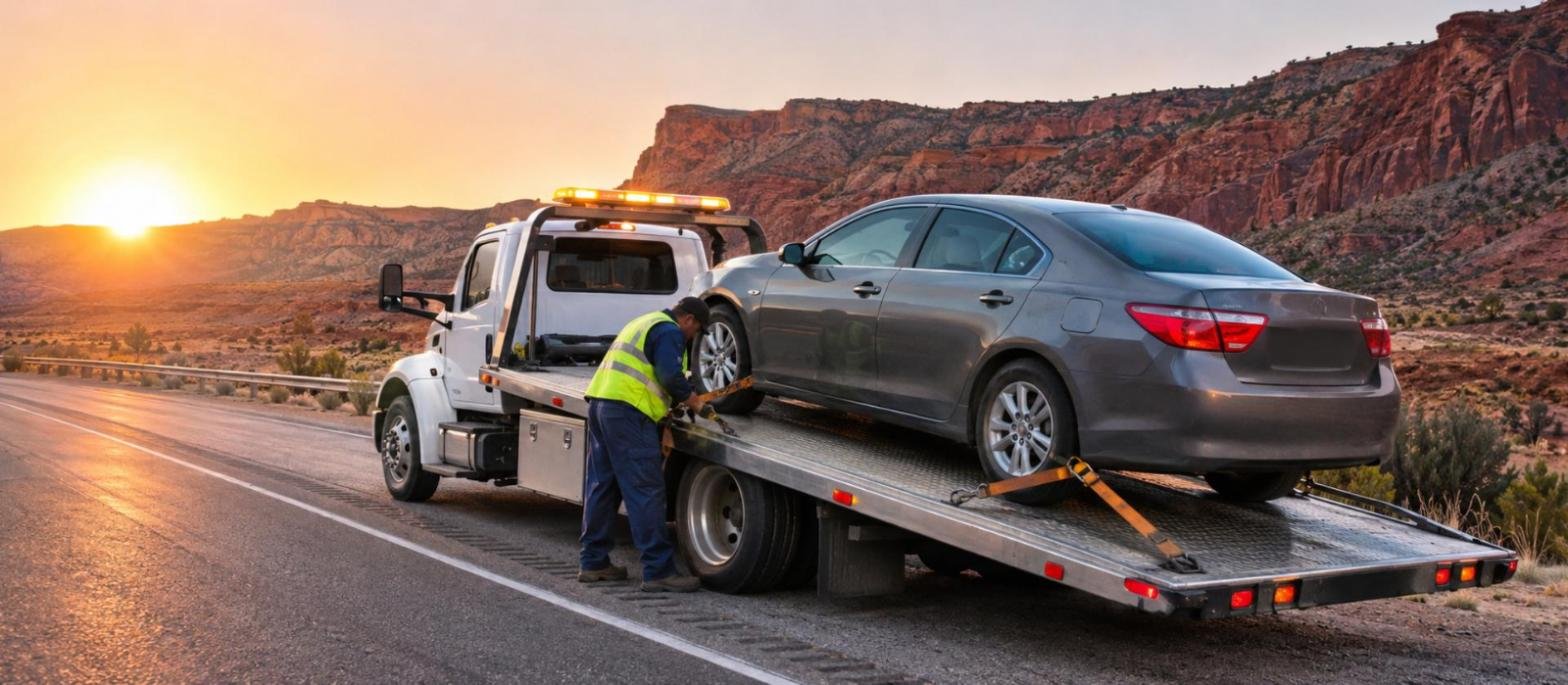
The Best Way to Tow a Car Long Distance
The right towing method for your car depends on the vehicle, not the company. Match the method to your vehicle first, then compare quotes for the same type of service.
- Daily driver that runs: A flatbed works for every drivetrain. A dolly can cut costs on Front Wheel Drive models.
- All-wheel or Four Wheel Drive: Choose a flatbed to protect the drivetrain.
- Classic or exotic car: Choose an enclosed trailer.
- Vehicle that does not run: Choose a flatbed with a winch.
Some owners tow behind their own truck. That choice demands the right hitch rating, brake setup, and mirrors. Fuel, hotel nights, and your time also add up quickly. Compare the full cost with a professional quote before you decide.
Long Distance Towing vs Auto Transport: Which Option Fits Your Move
The choice of long distance towing and auto transport comes down to timing and vehicle condition. Choose towing for speed, flexibility, and vehicles that cannot run. Choose auto transport when you can wait for a scheduled carrier route.
| Factor | Towing | Auto transport |
|---|---|---|
| Pickup timing | Fast and often direct | Depends on carrier route and load |
| Vehicles per trip | One | Several |
| Route | Point to point | Follows main corridors |
| Non running car | Handled with a winch | Needs advance arrangement |
| Best for | Urgent jobs and single vehicles | Planned relocations |
FMCSA notes that brokers only arrange transport while carriers physically move the car. Ask every company which role it plays. Direct long distance towing operators run their own trucks and answer that question in one sentence.
Out of State Towing Service: Paperwork, Rules, and Utah Routes
A service of out of state towing must follow federal registration rules and the road rules of every state on the route. You can prepare in an afternoon. Gather your documents and learn what Utah requires in winter.
Documents to Gather
- Vehicle registration
- Proof of insurance
- A valid photo ID
- Your signed quote or agreement
- Keys and any gate codes
- Written authorization if someone else hands over or receives the vehicle
Utah Traction Rules in Winter
UDOT or law enforcement decides when traction devices are required. You may need to comply up to 24 hours before a storm. UDOT’s traction device guidance lists the rules by vehicle type.
All wheel drive and four wheel drive vehicles need M+S or 3PMSF tires, or traction devices on at least two drive tires. Two wheel drive passenger cars and light trucks need 3PMSF tires, or traction devices on all drive tires. Vehicles over 12,000 pounds GVWR need traction devices on all drive tires. The Cottonwood Canyons require acceptable tires with 5/32 inch tread depth or traction devices.
| Pro Tip: Book winter hauls early and ask how the driver plans for traction rules and storm delays. A flexible delivery window keeps the trip safer and prevents rushed decisions on icy canyon roads. |
What Changes the Price of a Long Haul Tow
Distance sets the base price. Vehicle size, running condition, and timing move it up or down. Ask for a written quote that lists every fee.
- Total miles and route difficulty
- Vehicle weight and size
- Whether the vehicle runs
- Pickup and delivery access, such as tight streets or gated lots
- Season and urgency
- Fuel costs and tolls
- Storage or waiting time
A low quote can hide add-ons. Compare long distance towing offers line by line, not by the total alone. Request the final price in writing before you hand over the keys. For a closer look at local rates, see our flatbed towing cost guide.
Prepare Your Vehicle Before Pickup
Prepare the car the day before. Take clear photos, empty the interior, and gather your keys. Ten minutes of prep prevents arguments later.
- Photograph all sides, the roof, the wheels, and the odometer
- Remove valuables and loose items
- Take off toll tags and turn off the alarm
- Leave about a quarter tank of fuel
- Note leaks or warning lights on the paperwork
- Secure or remove loose parts such as antennas and racks
A documented car makes long distance towing inspections quick and fair. Dated photos give you strong proof if a damage claim comes up.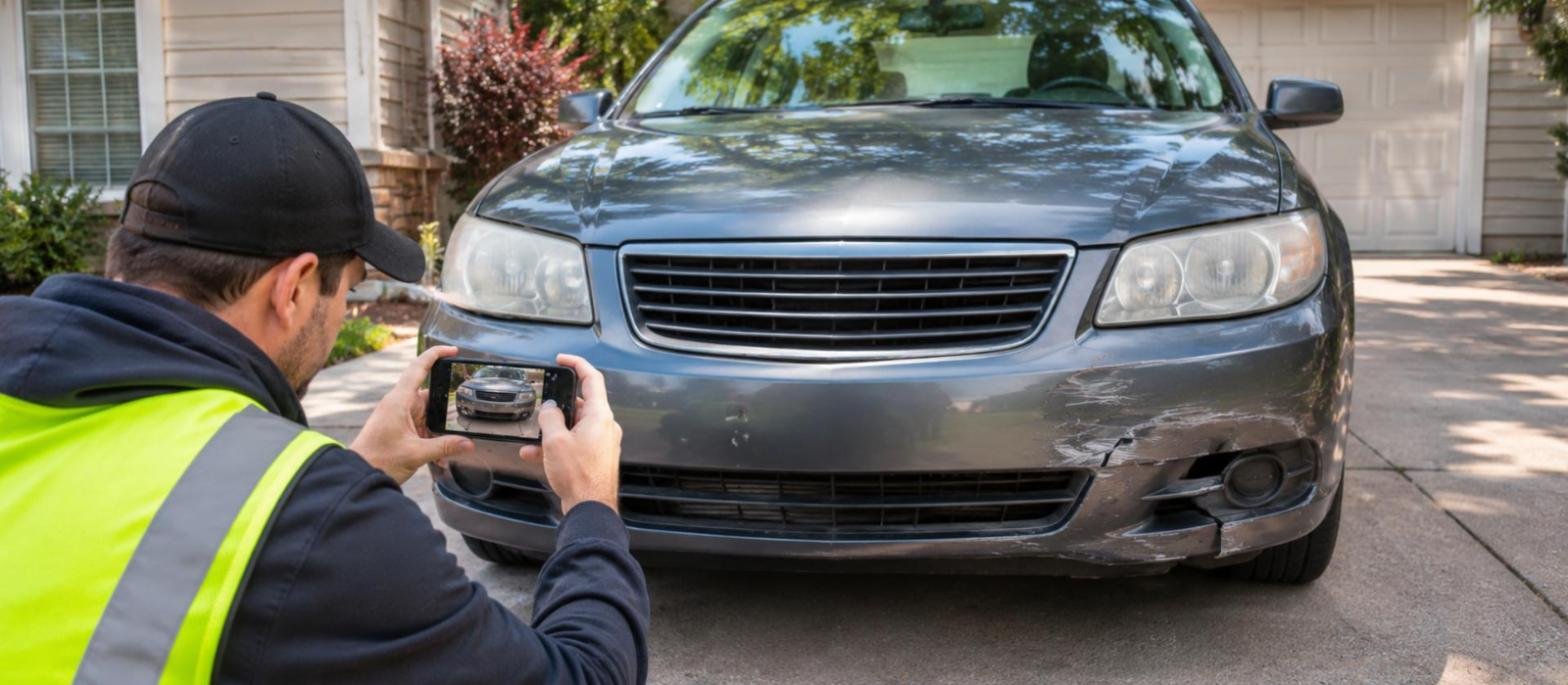
Vehicle Inspection and Damage Reports at Delivery
Inspect before you sign. Walk around the vehicle with the driver and compare it with your pickup photos. Write any new damage on the delivery paperwork before you sign anything.
Then start the engine, test the brakes, and check tires and fluids. Report problems in writing right away and keep every receipt. Good long distance towing ends with a documented handover.
Frequently Asked Questions
1: How much does it cost to tow a car a long distance?
The price depends on distance, vehicle weight, running condition, route, and timing. No honest company quotes a flat rate without those details. Request a written quote that lists every fee, and compare at least two offers before you book.
2: How far can a tow truck take my vehicle?
A professional carrier can tow your vehicle as far as the route allows. Interstate trips are routine for registered carriers. Share your pickup and delivery addresses and we plan the full route with you.
3: Is my vehicle insured during transport?
Carrier insurance should cover your vehicle while it travels. Ask for a certificate of insurance before pickup and read what it covers. Also check your own auto policy, since some policies limit coverage during transport.
4: Can I leave personal items in the car?
Remove them. Loose items can shift on the road and damage the interior. Carriers also do not insure most personal belongings. Take valuables, documents, and electronics with you.
5: How quickly can I schedule a tow?
Timing depends on your location, the vehicle, and current demand. Urgent breakdowns often move fastest. Planned moves work best when you call several days ahead, since that gives the dispatcher time to build a clean route.
6: Does winter weather delay a tow in Utah?
Yes. Storms can slow mountain routes and close canyon roads. We watch UDOT traffic updates and adjust the plan. A flexible delivery window gives your driver room to choose the safest timing.
7: Which Utah communities do you serve?
We serve Utah and nearby communities. Share your pickup address and we confirm coverage right away. If your location sits outside our usual area, we tell you plainly and point you to a better option.
Final Thoughts
A safe tow starts with the right method and a verified company. Check registration numbers, read the insurance terms, and photograph your vehicle before pickup. Plan for Utah winter rules when your route crosses mountains. Do those four things and your vehicle arrives the way it left. Call us whenever you want a second opinion on your plan.
Request Your Long Distance Tow Quote
Contact us at 435-231-1116 or email alansudweekstrucking@gmail.com. We confirm your pickup window, explain the route, and send a written quote. American Towing Service brings more than 15 years of experience to every tow across Utah and nearby communities.
Sources
- FMCSA: Consumer Advisory About Automobile Transporters. This federal page explains registration numbers for auto carriers and brokers. It tells consumers to “check the validity of the registration of any transporter or broker.”
- UDOT: Snow Tire, Chain and Traction Device Requirements. The Utah Department of Transportation lists traction rules by vehicle type. It warns that you may be “required to be in compliance up to 24 hours before a storm.”
- FMCSA: USDOT Registration System. This page describes the federal carrier registration process. It introduces the “new USDOT Registration System: Motus” for new registrants.