Summarize with
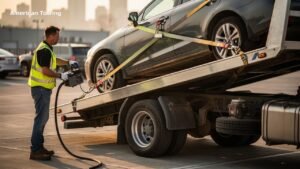
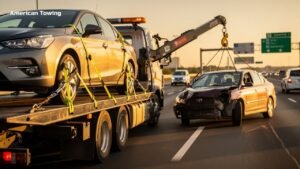
Common roadside emergencies like flat tires, dead batteries, vehicle lockouts, and situations requiring flatbed towing require immediate attention to ensure driver safety and prevent further mechanical damage. Resolving these issues involves identifying the primary cause, assessing the environment for hazards, and applying the correct technical solution, such as a spare tire swap, a battery jump start, or professional entry techniques. Drivers must prioritize safety by moving the vehicle away from active traffic lanes before attempting any repairs or calling for assistance.
Understanding the mechanics behind these frequent failures helps motorists prepare for unexpected stops. This guide provides technical insights and safety protocols based on professional industry standards to help drivers manage these situations effectively. Gaining knowledge of these systems reduces the risk of injury and prevents costly mistakes during the recovery process.
Technical Realities of Flat Tires
A flat tire often results from sharp object punctures, valve stem failure, or structural damage to the tire sidewall. When a tire loses air pressure, the friction between the rubber and the road surface increases, leading to heat buildup that can cause the tire to disintegrate. Statistics from the National Highway Traffic Safety Administration show that tire issues contribute to more than 600 deaths on American roads every year.
Changing a tire on the side of a highway is dangerous due to the proximity of moving vehicles. If the puncture occurs on the driver’s side of the vehicle, the risk of being struck by passing traffic is high. Industry experts recommend driving slowly to a parking lot or a wide shoulder even if it means sacrificing the wheel rim. Ultimately, protecting lives is more important than saving a piece of metal.
Bonus Tip: Many modern cars do not come with a spare tire. Instead, they include an inflation kit or run-flat tires. Drivers should check the trunk or the owner’s manual to verify which equipment is available before an emergency occurs.
Battery Failures and Electrical Systems
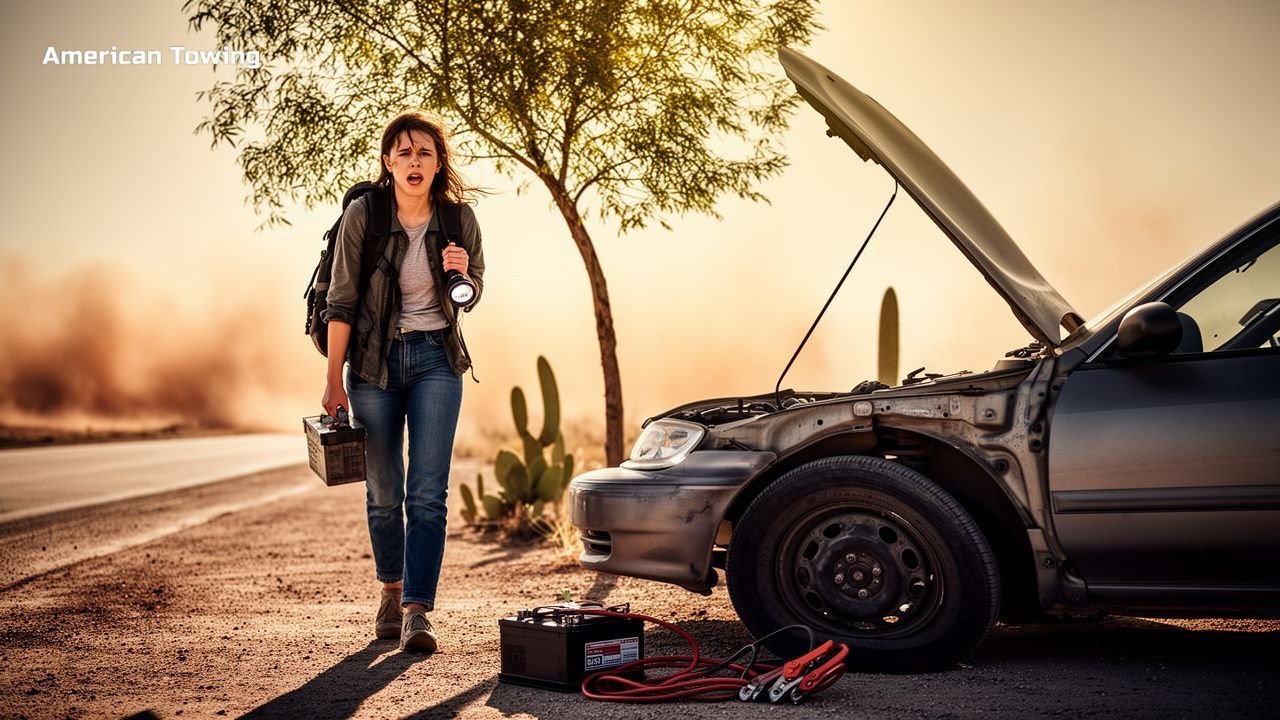
Dead batteries are among the most frequent reasons for service calls. According to data from AAA, battery issues are a primary cause for millions of roadside rescues annually. Most lead-acid batteries have a lifespan of three to five years. Chemical degradation occurs faster in extreme heat than in cold, though the symptoms often appear during the first cold snap of winter when the engine requires more power to turn over.
While jump-starting a vehicle seems simple, it carries risks for modern cars equipped with sensitive Electronic Control Units (ECUs). An electrical surge during a jump start can damage the vehicle’s computer system. Proper procedure involves connecting the positive terminals first, followed by the negative terminal on the donor car and a grounded metal surface on the dead car.
Bonus Tip: Using a portable lithium-ion jump starter is often safer than connecting two vehicles. These devices have built-in surge protection that prevents electrical damage to the car’s internal processors.
Vehicle Lockouts and Entry Challenges
Car lockouts have changed as vehicle technology has evolved from physical keys to proximity fobs. While fobs prevent many people from locking keys inside the cabin, they can still fail due to dead batteries or signal interference. Some drivers also accidentally lock their keys in the trunk, which often has a separate security logic from the main doors.
Attempting to force a door open with coat hangers or improper tools can lead to expensive repairs. Modern doors contain side-impact airbags, complex wiring for power windows, and delicate weather stripping. Professional roadside assistance services use air wedges to create a small gap and long-reach tools to manipulate the interior locks without damaging the frame or the paint.
Roadside Emergency Comparison
|
Emergency Type |
Typical Cause |
Required Tools |
Safety Risk Level |
|---|---|---|---|
|
Flat Tire |
Punctures, Blowouts |
Jack, Lug Wrench, Spare |
High (Traffic Exposure) |
|
Dead Battery |
Age, Lights Left On |
Jumper Cables or Pack |
Moderate (Electrical) |
|
Lockout |
Human Error, Fob Failure |
Wedges, Reach Tools |
Low (Property Damage) |
Factors for Drivers to Consider
Beyond the technical requirements, several contextual factors should influence a driver’s decision-making process when determining whether to handle a situation alone or call for help:
- Location Safety: If the vehicle is stopped on a narrow bridge, a blind curve, or a highway with no shoulder, drivers should stay inside the vehicle with seatbelts fastened and call for emergency help immediately.
- Tool Availability: Changing a tire requires a functional jack and a lug wrench that fits the vehicle’s nuts. Many factory-supplied tools are flimsy and difficult to use.
- Physical Ability: Loosening lug nuts often requires significant physical force. If a driver cannot safely apply enough pressure, professional assistance is necessary.
- Weather Conditions: Extreme cold, rain, or heat can make a simple 15-minute tire change dangerous for the driver’s health.
- Vehicle Warranty: Some manufacturers require professional service to maintain warranty coverage on specific electrical or mechanical systems.
Specialized Roadside Safety Tips
Visibility is the most important factor in roadside safety. Once the vehicle stops, the hazard lights must be turned on immediately. If the car is equipped with reflective triangles or flares, they should be placed at intervals behind the vehicle to give oncoming drivers plenty of warning.
A study by J.D. Power suggests that regular maintenance can prevent many of these issues. Checking tire pressure and battery health during every oil change reduces the likelihood of a breakdown. Professional service providers like American Towing follow these safety standards to ensure every recovery is handled without further incident.
Common Roadside Questions
How long can a car sit with a dead battery?
A battery can lose its charge in as little as two to four weeks if the car is not driven. Modern vehicles have “parasitic drains” from computers and alarm systems that slowly pull power even when the engine is off.
Is it safe to drive on a flat tire?
Driving on a flat tire is never recommended for long distances. It can cause the tire to shred and damage the brake lines, suspension, and wheels. Only drive the minimum distance required to reach a safe spot away from traffic.
Will a jump start fix a bad battery?
A jump start is a temporary fix. If the battery is old or has a dead cell, it will not hold a charge for long. The vehicle should be taken to a shop to have the battery tested and likely replaced.
Can a locksmith open a car with a dead battery?
Yes. Even if the electronic locks are not working, professional tools can manually manipulate the internal lock mechanism or access the manual key cylinder, usually hidden under a plastic cap on the door handle.
Safety and Recovery Steps
Managing a roadside emergency effectively depends on staying calm and following a logical sequence of actions. First, secure the vehicle’s position and make it visible to others. Second, assess the damage to determine if a DIY fix is possible with the available tools. Third, if the repair is beyond the driver’s skill level or the environment is unsafe, contact a professional service.
Prioritizing personal safety over the vehicle’s condition is the standard for all experienced drivers. American Towing emphasizes that no mechanical repair is worth the risk of an accident on a busy road. Evaluating the situation with a clear mind ensures a faster return to the road and prevents minor mechanical failures from turning into major accidents.
Helpful FAQ
Can I use a screwdriver to unlock my car?
Using a screwdriver is highly discouraged. It will almost certainly damage the lock cylinder, scratch the paint, and potentially tear the weather stripping, leading to water leaks and wind noise later.
Why did my battery die while I was driving?
This usually indicates an alternator failure rather than just a battery problem. The alternator is responsible for charging the battery while the engine runs. If it fails, the car relies solely on the battery until it drains completely.
Does roadside assistance cover the cost of a new tire?
Emergency roadside assistance services typically cover the labor to install your spare tire. The cost of a replacement tire or permanent repairs at a shop is usually a separate expense for the vehicle owner.
How far back should I place safety triangles?
On a standard road, place the first triangle 10 feet behind the car and the second 100 feet behind it. On a high-speed highway, the furthest triangle should be at least 200 feet back to give drivers enough time to react.
Professional Assistance Needs
When roadside issues occur in dangerous locations or involve complex vehicle systems, calling for help is the smartest choice. American Towing provides reliable support for those experiencing mechanical failures in the area. For assistance, contact the dispatch team at 435-231-1116 or send an email to alansudweekstrucking@gmail.com for non-urgent inquiries. Expert technicians ensure that every flat tire, dead battery, or lockout is handled with the proper equipment to protect the vehicle and the driver.
Sources
- AAA – Information regarding the frequency and types of roadside assistance calls in the United States.
- National Highway Traffic Safety Administration – Statistical data and safety guidelines regarding tire maintenance and failure-related accidents.
- J.D. Power – Technical guide on battery life expectancy and factors that lead to premature failure.
- Consumer Reports – Insights into car battery technology and maintenance recommendations for vehicle owners.