Skip to content
Summarize with
Roadside assistance coverage typically includes towing to a repair facility, flat tire assistance, battery jump start service, car lockout assistance, and fuel delivery. These services address common vehicle disablements that prevent a car from being driven safely. Most plans also cover winching or extrication if a vehicle gets stuck in mud, snow, or sand near a publicly maintained road.
This guide details the specific limits and variations of emergency roadside assistance to help drivers understand exactly what is included in a standard policy. American Towing provides this information based on extensive field experience managing thousands of service calls and recovery operations. Understanding these details helps drivers avoid unexpected out-of-pocket costs during a breakdown.
Primary Services Included in Standard Coverage
Standard roadside assistance services focus on getting a vehicle back on the road or moving it to a location where repairs can happen. While specific terms vary by provider, most plans center on five core areas.
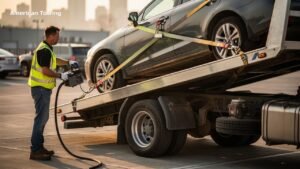
Towing to a Repair Facility
Towing is the most frequently used part of any plan. Coverage usually includes a set number of miles from the breakdown location to the nearest qualified mechanic. Some basic plans only cover 3 to 5 miles, while premium versions may extend to 100 miles or more. If a driver requests a tow to a specific shop that is further than the plan’s limit, they usually pay a per-mile fee for the overage.
Battery Jump Start Service
A dead battery is a leading cause of vehicle failure. Service providers send a technician to test the battery and attempt a jump start. If the engine starts, the driver can proceed to a shop for a permanent replacement. If the battery has completely failed and will not hold a charge, the service typically transitions into a towing claim.
Flat Tire Assistance
When a tire loses air or suffers a blowout, a service technician will visit the vehicle to install the owner’s spare tire. Coverage usually requires the driver to have a functional, inflated spare available. Some modern vehicles do not come with spare tires; in these cases, the service often includes towing the vehicle to a tire shop instead.
Car Lockout Assistance
Lockout services provide professional entry when keys are lost or locked inside the vehicle. A technician uses specialized tools to open the door without damaging the lock or window seals. While the labor for opening the car is covered, the cost of cutting new high-security keys or replacing a lost electronic fob is usually an additional expense paid by the driver.
Emergency Fuel Delivery
If a vehicle runs out of gas, a service vehicle will bring enough fuel to reach the nearest gas station. Most plans provide two gallons of gasoline or diesel at no extra charge, though some providers charge the driver for the market price of the fuel while covering the delivery fee.
Additional Coverage Features and Limitations
Beyond the basic mechanical fixes, many plans offer secondary benefits that assist with travel logistics. However, these often come with specific geographic and financial constraints.
Winching and Extrication
This service applies when a vehicle is stuck but still functional. If a car slides into a ditch or gets caught in deep snow, a winch service uses a cable and motorized drum to pull the vehicle back onto a hard surface. Coverage usually requires the vehicle to be within a certain distance, often 10 to 15 feet, of a paved or graded road.
Trip Interruption Benefits
Premium plans often include reimbursement for meals and lodging if a breakdown occurs more than 100 miles from home. According to data from Consumer Reports, these benefits help offset the costs of an overnight stay while a vehicle is in the shop. Drivers usually must provide receipts to their insurance or motor club to receive payment.
Specialized Vehicle Coverage
Not all plans cover motorcycles, RVs, or trailers by default. Standard passenger vehicle plans often exclude vehicles with more than four wheels or those exceeding a specific weight limit. Drivers with larger vehicles must confirm their policy includes “heavy-duty” or “specialized” recovery options.
Service Comparison by Plan Level
| Service Feature | Basic Coverage | Premium Coverage |
|---|---|---|
| Towing Distance | 3 to 10 miles | 100 to 200 miles |
| Fuel Delivery | Delivery only (pay for gas) | Delivery + 2 gallons free |
| Lockout Limit | Entry only | Entry + Key credit ($100) |
| Winching | 1 truck, 30 minutes | 2 trucks, 60 minutes |
| Trailer Coverage | Often excluded | Often included |
Things to Consider Before Selecting a Plan
Choosing the right level of roadside assistance coverage requires looking at driving habits and vehicle age. A commuter who stays within city limits has different needs than someone who frequently travels across state lines.
- Vehicle Age and Reliability: Older cars are more likely to experience cooling system failures or electrical issues that require long-distance towing.
- Existing Manufacturer Warranties: Many new cars come with 3 to 5 years of complimentary roadside help. Check the owner’s manual to avoid paying for duplicate coverage.
- Credit Card and Insurance Add-ons: Many insurance companies offer roadside help for a few dollars per month. Similarly, some high-end credit cards include this as a free perk.
- Response Time Expectations: High-volume motor clubs may have longer wait times during peak hours compared to local independent services.
Bonus Tip: Check if a plan follows the vehicle or the driver. Some memberships cover the person even if they are a passenger in someone else’s car, while insurance-based plans usually only cover the specific vehicle listed on the policy.
Common Roadside Scenarios and Practical Advice
The effectiveness of emergency roadside assistance depends on the safety of the location and the clarity of the information provided to the dispatcher.
Ensuring Safety During a Breakdown
Drivers should move the vehicle as far onto the shoulder as possible. Turning on hazard lights is the first step in notifying other motorists of a problem. If the vehicle is in a high-traffic area, staying inside the car with the seatbelt fastened is often safer than standing on the side of the road.
Providing Accurate Location Details
Dispatchers need specific details to send help quickly. Using a smartphone to find GPS coordinates or identifying the nearest mile marker or exit sign can reduce wait times significantly. According to AAA, millions of roadside calls are delayed every year because drivers cannot pinpoint their exact location on major highways.
Preparing for the Technician
Before the service vehicle arrives, drivers should have their identification and proof of membership ready. If the service involves a jump start or tire change, clearing clutter from the trunk or around the battery terminals saves time.
Bonus Tip: Always keep a physical spare tire kit and a flashlight in the vehicle. Even with a service plan, a technician cannot help with a flat if the spare is missing or flat itself.
Direct Answers to Common Questions
Does roadside assistance cover the cost of parts?
No. Coverage typically pays for the labor and the service call fee. If a vehicle needs a new battery, a new tire, or a replacement alternator, the owner is responsible for buying those parts.
Can I use the service immediately after signing up?
Most motor clubs and insurance companies have a 24-hour to 72-hour waiting period before a new policy becomes active. This prevents people from signing up only after they have already broken down.
Is there a limit to how many times I can call for help?
Most plans limit service calls to four incidents per year. Excessive use can result in a higher renewal rate or a temporary suspension of benefits.
Will the tow truck take me to my home?
The service will tow the vehicle to any destination within the mileage limit. If the home is 20 miles away and the plan limit is 5 miles, the driver pays the difference.
Roadside Assistance FAQs
Does coverage apply to accidents or just mechanical failures?
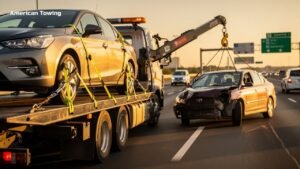
Roadside plans are designed for mechanical breakdowns. If a vehicle is disabled due to a collision, the service is typically handled through an insurance claim rather than a roadside assistance plan. However, some premium memberships do provide towing for accidents as part of their broader benefit package.
What happens if I am stuck on a private road or off-road trail?
Standard policies only cover “publicly maintained roads.” If a vehicle gets stuck while off-roading or on a private driveway with restricted access, the provider may charge an extra fee or deny the claim entirely. Professional recovery for off-road situations usually requires specialized equipment.
Are electric vehicles covered for “out of charge” situations?
Most modern plans treat a depleted EV battery like an empty fuel tank. Depending on the provider, they will either tow the vehicle to the nearest charging station or, in some urban areas, send a mobile charging van to provide enough power to reach a station.
Do I need to stay with the vehicle until help arrives?
Most providers require the driver to be present with the vehicle to verify ownership and sign for the service. Leaving the vehicle unattended can result in the technician moving on to the next call or the vehicle being impounded by police if it is blocking traffic.
Final Steps for Drivers
Evaluating roadside assistance coverage involves a clear look at current vehicle needs and typical travel routes. Basic plans work well for city drivers with newer cars, while high-mileage plans are better for those who travel through rural areas where repair shops are scarce.
Drivers should review their current insurance policy or membership agreement to verify mileage limits and exclusions for specialized vehicles. Keeping the service phone number and account details saved in a phone or stored in the glovebox ensures that help is accessible when a mechanical failure occurs. Regular vehicle maintenance remains the best way to prevent the need for these services, but having a plan in place offers a necessary safety net for unpredictable road conditions.
American Towing Service Information
American Towing provides expert vehicle recovery and roadside support for drivers in need of immediate assistance. For professional service or to learn more about local towing options, contact the office directly at 435-231-1116. Inquiries regarding service areas or technical capabilities can also be sent to alansudweekstrucking@gmail.com for detailed responses. American Towing remains committed to providing reliable information and efficient roadside solutions for every driver.
Sources
- AAA – A leading national motor club providing data on roadside service trends and driver safety.
- Consumer Reports – An independent organization offering detailed comparisons of roadside assistance plans and costs.
- MarketWatch – A financial news source providing analysis on the average costs and benefits of various roadside policies.