Summarize with
You don’t need a flatbed or a wrecker to get into roadside assistance. A lot of people assume the two are the same thing — tow truck, roadside help, one and the same — but they’re not. Jump starts, lockouts, flat tire changes, fuel delivery: none of that requires a heavy-duty tow rig or the licensing that comes with one. If you’ve got a reliable pickup, some basic tools, and a willingness to answer calls at odd hours, you can build a legitimate roadside assistance business without ever hooking up a tow line.
I’ve spent enough years around towing and recovery work in rural Utah to know where the real barriers to entry are — and where they’re not. Starting a roadside assistance business without towing is one of the more accessible ways to get into the vehicle-service industry, especially in areas like Circleville and the rest of Piute County, where distances between towns are long and a dead battery on US-89 can mean a two-hour wait if nobody local is answering the phone.
Understanding the Roadside Assistance Business Model
A no-towing roadside assistance business focuses on the calls that don’t need a truck capable of hauling a vehicle. That’s jump starts, tire changes, lockouts, fuel delivery, and sometimes minor mechanical triage — figuring out why a car won’t start before deciding whether it needs a tow at all.
This model works because most roadside calls aren’t tow calls in the first place. In my experience running dispatch for towing operations, the majority of calls that come in on a given night are dead batteries and lockouts — not disabled vehicles that need to be hauled somewhere. You’re building a business around the 70-80% of demand that a full towing operation almost treats as a side service.
Mobile roadside assistance businesses like this typically partner with a local towing company (or several) for the calls they can’t handle themselves. That referral relationship cuts both ways — you send them the tows, they send you the jump-starts and lockouts that don’t justify sending a wrecker.
What to Expect: Key Factors Before You Start
Before you commit to this, here’s what actually shapes whether this business works where you live:
- Call volume in your service area. Rural stretches like the one around Circleville have lower call density than a city, but also far less competition. Fewer competitors, longer response radius, higher likelihood you’re the only option for miles.
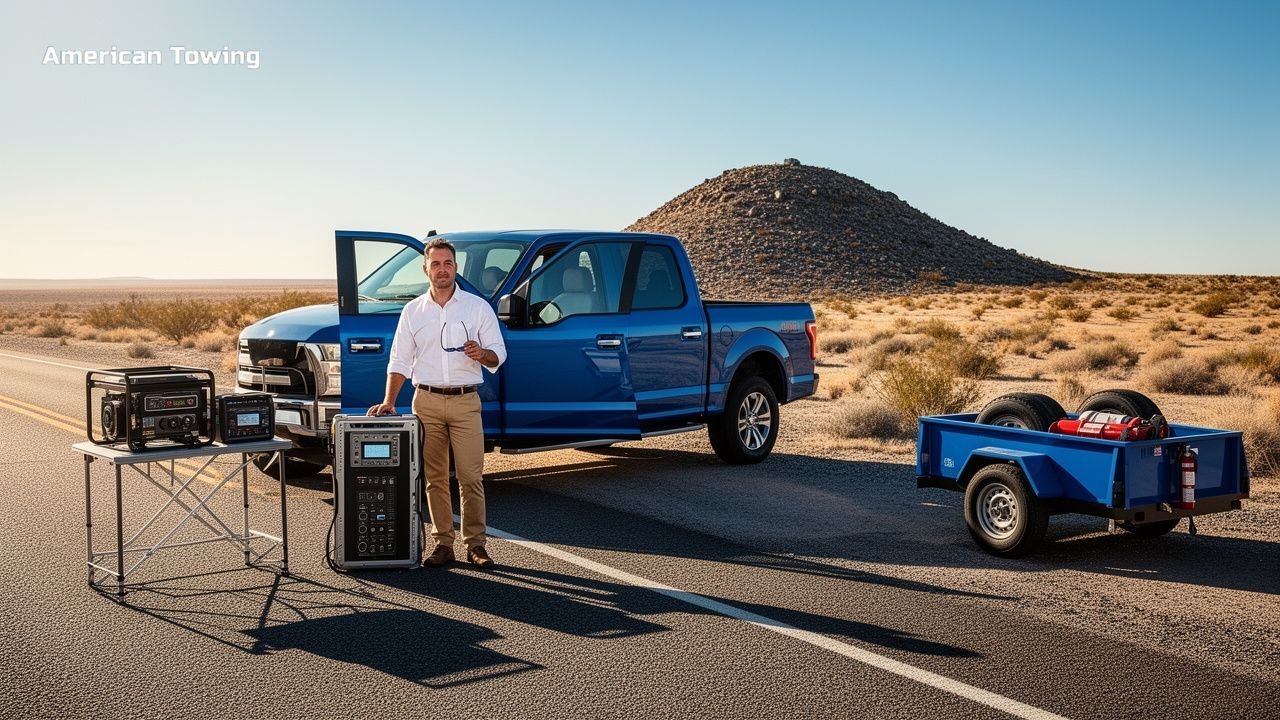
- Vehicle requirements. A dependable truck or SUV with cargo space for a jump box, air compressor, tire tools, and fuel cans. You don’t need a specialty vehicle.
- State and local licensing. Utah doesn’t require a special towing license for services that don’t involve towing, but you’ll still need a standard business license, and possibly a DOT number depending on how your business is structured — check with your county clerk’s office directly, since requirements shift.
- Insurance. General liability at minimum, plus garagekeepers coverage if you’re ever handling a customer’s vehicle in a way that could cause damage.
- Dispatch and scheduling. Even a one-person operation needs a system for taking calls, whether that’s a dedicated phone line, a dispatch app, or a simple answering service for overnight coverage.
Step-by-Step Guide to Starting Your Business
Step 1: Define Your Service Radius and Hours
Decide upfront whether you’re covering a single town or a broader stretch of highway. In a rural setting, your radius might run 20-40 miles in any direction, and that changes your response-time promises and your fuel costs. Don’t promise 24/7 coverage on day one if you’re a solo operator — burnout kills more of these businesses than bad reviews do.
Step 2: Handle the Legal and Licensing Requirements
Register your business entity (LLC is common for liability protection), get your general business license through your county, and confirm whether your state requires any additional permitting for the specific services you’re offering. Fuel delivery, for instance, sometimes has its own regulatory wrinkle depending on quantities carried.
Step 3: Equip Your Vehicle
Outfit your truck with the essentials: a heavy-duty jump box (not just jumper cables — you’ll want something that doesn’t need a second running vehicle), a portable air compressor, a basic tire-changing kit, extra fuel cans, and a lockout tool kit if you’re planning to offer that service. Keep a dash cam running. It protects you on liability claims more than people expect.
Step 4: Set Up Dispatch and Payment Systems
Decide how customers reach you — direct call, an app-based dispatch platform, or a partnership with insurance roadside programs (many major auto insurers contract out roadside work to independent operators). Set up a simple, fast payment system, since most roadside customers are stressed and want the transaction over quickly.
Bonus Tip: Get on insurance company roadside assistance in Circleville, UT panels early. It’s slower to set up than direct-to-consumer marketing, but once you’re approved, it becomes a steady stream of dispatched jobs without you spending a dollar on advertising.
Common Mistakes to Avoid
Most people who fail at this don’t fail because of the mechanics — they fail because of the business side.
- Underestimating response-time expectations. Customers expect fast help, especially at night. If you can’t consistently hit your promised window, word travels fast in a small town.
- Skipping insurance to save money early. One bad claim without garagekeepers coverage can end the business before it starts.
- Not building a towing referral relationship. You’ll get tow calls whether you want them or not. Having a trusted towing partner to hand those off to keeps customers happy and keeps you out of a job you’re not equipped for.
- Ignoring seasonal demand shifts. Winter changes everything — batteries die more, tires go flat more, and calls spike right when roads are worst to drive on. Plan your staffing and your own vehicle maintenance around that.
Local Context: Rural Utah Realities
Running a roadside operation in an area like Circleville isn’t the same as running one in Salt Lake City. Cell coverage drops out in canyon stretches along State Road 62 and parts of US-89, which means dispatch sometimes has to work off a last-known location rather than a live pin. Winters bring hard freezes that kill batteries fast, and summer heat does the same to tires and belts on older vehicles making the drive through on tourist routes.
I’ve found that customers out here care less about flashy branding and more about one thing: will someone actually show up. Reliability, not marketing polish, is what builds a reputation in a county this size.
Bonus Tip: Stock extra fuel and water in your own vehicle year-round. In stretches this remote, you’re sometimes the only help available for the next 30 miles, and that includes for yourself if something goes wrong with your rig.
Common Questions
Do I need a commercial driver’s license to start a roadside assistance business without towing? No, typically not. A CDL is generally required for towing heavy vehicles, not for jump starts, lockouts, tire changes, or fuel delivery run out of a standard pickup or van.
Can I really make this work without owning a tow truck?
Yes. A large share of roadside calls never need a tow at all, so a well-equipped standard vehicle covers most of the demand on its own.
What insurance do I need for a roadside assistance business?
At minimum, general liability insurance and garagekeepers coverage if you’ll be working on or around a customer’s vehicle. Requirements vary by state, so confirm with a local insurance agent familiar with mobile automotive services.
How do I get roadside assistance business requirements for my specific state?
Start with your county clerk’s office for local business licensing, then check your state’s Department of Transportation site for anything related to mobile automotive service permits, since these vary widely by state.
Is 24/7 roadside assistance necessary when I’m starting out?
Not right away. Many operators start with limited hours and expand to 24/7 roadside assistance coverage once they’ve built enough demand to justify a second driver or a night dispatcher.
Should I specialize in one service, like lockouts, or offer everything? Offering the full range (jump starts, tire changes, lockouts, fuel delivery) gives you more call volume from day one. Specializing can work in dense urban markets, but in rural areas, breadth matters more than depth.
Direct Advice for Readers
If you’re serious about this, don’t try to build the whole service list on day one. Start with jump starts, tire changes, and lockouts — those three cover the bulk of roadside calls and require the least specialized equipment. Add fuel delivery once you’ve got a rhythm going. And build that towing referral relationship before you need it, not after a customer is standing on the shoulder waiting for a truck you can’t provide.
Getting Help
If you’re setting up a roadside assistance operation in the Circleville area and want to talk through a towing referral partnership, or you just want insight from a crew that’s worked this corridor for years, reach out to American Towing at 435-231-1116 or alansudweekstrucking@gmail.com. We’re based right in Circleville, UT, and we’re always open to working with independent roadside operators who need a reliable towing partner for the calls they can’t handle themselves.