Summarize with
Most Utah drivers never think about tow truck types until they need one. Then it matters enormously. Understanding the gaps between wheel lift and flatbed towing service options changes what you should choose in a breakdown.
American Towing Service guidelines walk through actual problems that cost vehicles real money.
Common Problems With Wheel Lift Tow Trucks: The Damage Pattern
Wheel lift systems raise one end of a vehicle by lifting the wheels off the ground. Sounds simple. In reality, it can cause suspension stress, transmission risk, and alignment issues most drivers don’t discover until weeks later.
When a wheel lift grabs your vehicle’s wheels and suspends the opposite end, your suspension experiences forces it wasn’t designed to handle. The weight of the entire vehicle hangs from attachment points engineered for normal driving, not towing geometry. Older vehicles feel this immediately. Newer vehicles with independent suspension feel it even more acutely because each wheel moves independently.
The damage often isn’t visible. A drive shaft or transmission mount might crack slightly. You don’t notice it until you hear unusual sounds or feel vibration weeks later. By then, you’re arguing with a tow company about whether they caused it or it was pre-existing.
This is precisely why understanding the disadvantages of wheel lift towing matters before you need roadside help. The choice you make in those urgent moments determines whether you pay once or pay twice.
Wheel Lift Towing Disadvantages: The Suspension Story
A wheel lift raises one end of your vehicle. Everything else hangs. Suspension components designed to support weight vertically now handle dynamic forces from road irregularities, acceleration, and braking.
In Utah’s varied terrain, from Salt Lake City’s urban streets to the Circleville area’s rural highways, road conditions change constantly. Wheel lifts struggle with rough surfaces because the vehicle is partially suspended, bouncing and shifting. Every pothole, every highway expansion joint, transmits directly to components never meant for that stress pattern.
Transmission mounts crack first. Then engine mounts follow. Newer vehicles with multi-link suspension systems experience something worse: individual wheels can shift slightly during towing, creating angles your steering and suspension geometry never anticipated. Front Wheel Drive vehicles suffer more because the engine weight transfers differently when wheels are lifted at an angle.
For Circleville residents, highways connecting to I-70 involve long grades and sustained speeds. Wheel lifted vehicles struggle with this combination. The suspension load shifts during acceleration and braking in ways stationary flatbed vehicles don’t experience.
Wheel Lift Tow Truck Limitations: What Operators Know
Luxury cars with All Wheel Drive systems suffer particular problems because the tow geometry interferes with mechanical systems the car’s computer expects to work synchronously.
Sports cars present another challenge. Most have low ground clearance. A wheel lift raising the front wheels can scrape or damage the front fascia, splitter, or sensors. The operator might be careful, but anything can shift during transport. A sudden stop and suspension rebound can cause contact even when the initial lift seemed clear.
Vehicles with electronic parking brakes or certain modern safety systems resist wheel lift towing. The vehicle’s computer registers that wheels are moving without engine input, creating diagnostic errors or even automatic brake engagement that can damage the tow rig.
For reference on proper towing procedures and equipment limitations, the NHTSA Vehicle Owner Safety provides official guidance on towing safety that includes equipment specifications and best practices.
Damaged vehicles also create problems. A car that’s already been in an accident, with frame bending or suspension misalignment, shouldn’t go on a wheel lift. But operators under time pressure sometimes take the quick option anyway. The vehicle’s existing damage gets worse. The tow company avoids responsibility because the damage was pre-existing.
Problems With Wheel Lift Towing: The Hidden Costs
Your transmission makes a new noise. Your steering feels off-center. Your alignment shop says your suspension geometry is slightly bent. These problems trace back to the tow, but proving causation becomes complicated.
In Utah’s dry climate, components that suffer internal damage during towing might not fail immediately. Weeks later, summer heat accelerates what might have been a slow failure. You remember the tow, but multiple people now claim it wasn’t responsible. Insurance doesn’t cover it because the tow company’s policy excludes mechanical failures even if towing caused the damage.
Alignment issues deserve specific attention. Wheel lift systems don’t adjust for every vehicle’s stance. A slightly lifted suspension geometry creates alignment angles the wheels don’t naturally follow. That stress carries through after the tow. Your vehicle pulls slightly. Tire wear becomes uneven. By the time you notice, you’re buying premature tire replacement nobody warned you about.
Another category of problems involves electronic systems. Modern vehicles have dozens of sensors monitoring suspension travel, wheel speed, and positioning. Wheel lift towing creates sensor readings the vehicle’s computer never expected. Some systems adapt and accept the unusual readings. Others trigger diagnostic codes that require expensive dealer reset procedures even though nothing is mechanically broken.
Wheel Lift Towing Damage Risks: What Actually Happens
Vehicles with simpler suspension systems survive wheel lift towing more successfully. A 1995 pickup truck from before electronic suspension monitoring won’t experience the sensor issues a 2022 sedan will encounter.
Luxury vehicles face the highest risk. Their suspension systems are engineered for precision. Weight distribution, wheel geometry, and alignment tolerances are tighter than economy vehicles. A wheel lift disrupts all of this. Even careful operators create small misalignments that the suspension can’t self-correct. After the tow, these accumulate into noticeable problems.
All Wheel Drive vehicles shouldn’t go on wheel lifts at all. The towing geometry forces the differential into binding situations it can’t actually handle. If both axles are meant to work together, lifting one end means one axle spins freely while the other is stationary. This creates internal stresses that can crack differentials or bind transmission output bearings.
Electronic parking brakes create a separate problem. Some systems won’t disengage when wheels are lifted. The brake stays partially engaged even though the vehicle is suspended. This creates drag and unnecessary stress. Other systems disengage automatically, then re-engage when they detect motion, creating jerky activation that confuses operators and creates sudden braking forces.
Wheel Lift vs Flatbed Towing: The Comparison
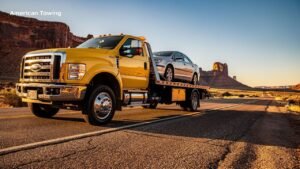
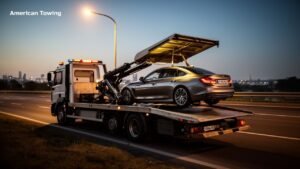
The fundamental difference between wheel lift vs flatbed towing systems is positioning. Wheel lift methods suspend part of the vehicle. Flatbed towing service keeps all four wheels stationary on a level platform. That single difference eliminates most problems discussed above.
Flatbed towing guide creates no suspension stress because the vehicle isn’t hanging. All components stay in their normal relationship to each other. Electronic systems see no unusual wheel movement. Suspension geometry stays exactly as designed. Even if the vehicle was previously damaged, flatbed transport doesn’t worsen it because nothing is being bent into unusual angles.
The tradeoff is cost. Flatbed towing runs 25-40% more than wheel lift towing. That premium reflects equipment cost, training, and operational complexity. But that additional cost prevents problems that can total thousands in repairs. The math becomes obvious once you’ve owned the damage.
For Utah drivers in the Circleville area, distance towing makes this choice even clearer. Long hauls from Circleville toward Salt Lake City or eastern Utah routes subject wheel lifted vehicles to hours of suspension stress. The longer the tow, the more accumulated damage wheel lift systems can create.
Modern Vehicles and Towing: Why Systems Have Changed
Newer vehicles present unique challenges wheel lift systems weren’t designed for. Manufacturing has shifted toward lighter materials, tighter tolerances, and more electronics. A 2024 vehicle is simply not built the same way as a 2010 model.
Sensors monitor everything. Wheel speed sensors, suspension height sensors, and alignment sensors all expect specific input ranges. Wheel lifting creates input that falls outside those ranges. The vehicle’s computer flags errors. Some systems automatically protect themselves by limiting functionality until the error clears. Others simply record the event in diagnostic memory.
Manufacturers increasingly recommend against wheel lift towing entirely for certain models. BMW, Mercedes, and Audi often specify flatbed only in their towing guidelines. Insurance companies sometimes won’t cover damage from wheel lift towing on modern luxury vehicles because the manufacturers explicitly warned against it.
The shift toward All Wheel Drive compounds this. Twenty years ago, most vehicles were Rear Wheel Drive or Front Wheel Drive. Today, the market has shifted significantly toward All Wheel Drive, especially in the western United States where winter driving is common. Almost all All Wheel Drive systems suffer from wheel lift geometry problems.
For specific manufacturer guidance on towing your vehicle safely, the National Highway Traffic Safety Administration vehicle safety database provides research data on towing equipment performance and safety recommendations.
When Wheel Lift Towing Makes Sense
This doesn’t mean wheel lift systems are always wrong. For simple tows of older, simpler vehicles, wheel lift towing works and costs less. A 1998 sedan with straight axle suspension, no electronics, and no All Wheel Drive can go on a wheel lift for a 20-mile tow without significant risk.
But even then, the distance matters. Twenty miles is completely different than 200 miles. The longer the tow, the more accumulated stress. A local jump-start or recovery to a nearby shop differs fundamentally from highway transport.
Operator expertise matters too. A careful operator who inspects vehicles before and after towing, secures them properly, and drives smoothly minimizes wheel lift problems. Rushed operators who grab vehicles without assessment and drive aggressively multiply the risks enormously.
In Circleville and the surrounding area, most towing situations justify flatbed service. The distances involved and the vehicle types people own combine to make wheel lift’s cost savings irrelevant compared to the damage risks. Local residents aren’t typically moving vehicles 2 miles to a nearby shop. They’re moving damaged vehicles to shops 30-50 miles away.
Making the Right Choice for Your Vehicle
Flatbed towing service costs more, but that investment protects your vehicle from damage that wheel lift systems routinely create. Whether you’re in Circleville, heading toward Salt Lake City, or anywhere in between, the type of tow you choose matters.
We at American Towing Service understand Utah’s towing challenges. Rural distances, varied terrain, and diverse vehicle types require equipment that protects what you’re transporting.
Call us at 435-231-1116 or email alansudweekstrucking@gmail.com for flatbed towing service that keeps your vehicle safe. We serve Circleville and surrounding communities with the professional equipment that does the job right.
FAQs About Flatbed Towing Service
What’s the main difference between wheel lift and flatbed towing service?
Wheel lift suspends one end of the vehicle from the wheels. A flatbed keeps all four wheels on a level platform. This single difference determines whether suspension stress occurs during transport. A flatbed adds cost but eliminates damage risks that wheel lift creates.
Can any vehicle go on a wheel lift tow truck?
No. All Wheel Drive vehicles, luxury brands with precise suspension tuning, and vehicles with electronic parking brakes should avoid wheel lift towing. Older, simpler vehicles tolerate it better. Modern vehicles increasingly suffer from wheel lift geometry problems.
How much more does flatbed towing service cost than wheel lift towing?
Flatbed typically runs 25-40% more than wheel lift towing. That premium protects your vehicle but costs money upfront. For long distance tows or high-value vehicles, the investment makes sense.
Will my insurance cover damage from wheel lift towing?
That depends on your policy and the specific damage claim. Most policies cover collision damage. But damage caused by towing method selection might not be covered, especially if the manufacturer recommended against wheel lift towing for your vehicle.
What should I do if I’m unsure whether my vehicle can go on a wheel lift?
Ask. Before any tow, tell the operator your vehicle’s year and model. If they’re uncertain, request flatbed service instead. The small additional cost prevents potential problems you’d discover weeks later.
What’s the Typical Distance for Local Tows?
Circleville serves as a hub for a wide rural area. Most tows range from 15 miles to the nearest town shops to 60-80 miles for specialized service. That distance range makes flatbed’s benefits clear compared to wheel lift risks.
Should I Call Ahead Before Needing a Tow?
Having a tow company pre-selected makes sense for rural Utah residents. When breakdowns happen in remote areas, you want to be confident about the company responding. Knowing you’ve chosen one with flatbed capability eliminates urgent decisions.
Are There Specific Vehicles that Have Towing Issues?
Four Wheel Drive trucks are ubiquitous in Utah. Most can technically go on wheel lifts. But the mechanical loads they create during towing are higher than sedans. All Wheel Drive crossovers, increasingly common, should absolutely avoid wheel lift towing.
Sources
National Highway Traffic Safety Administration: Federal government resource providing equipment specifications, towing best practices, and safety standards. NHTSA establishes minimum standards for tow truck equipment and configurations that guide industry safety regulations.
NHTSA Vehicle Owner Safety Database: Government research data on towing equipment performance, accident statistics related to improper towing, and manufacturer towing recommendations for different vehicle classes and configurations.
American Society of Civil Engineers: Professional engineering organization tracking vehicle dynamics, suspension systems, and transportation safety. ASCE research informs standards for equipment that interacts with vehicles, including tow truck specifications.